If you’ve ever spotted a suspicious bite or a tiny bug on your sheets, your first instinct might be to search for a quick fix online. It’s no surprise—bed bugs are unsettling, and nobody wants them lingering in their home. But in the scramble to solve the problem fast, many people turn to DIY bed bug remedies with high hopes… and disappointing results.
So, what really works when it comes to getting rid of bed bugs? Can you handle it yourself, or is a professional exterminator the only way to go? Let’s break down the most common DIY methods, how they compare to professional treatments, and what approach is best for long-term results.
The Truth About DIY Bed Bug Treatments
There are countless home remedies and over-the-counter solutions promising to eliminate bed bugs. While some can help reduce activity or kill a few bugs, most aren’t enough to wipe out a full infestation.
Here’s a look at the most popular DIY options—and their limitations:
1. Bed Bug Sprays (Over-the-Counter)
What it is:
Aerosol or pump sprays labeled for bed bug use, usually available at hardware stores or online.
What people expect:
That spraying cracks, seams, and bedding will kill all bugs on contact and stop the infestation.
The reality:
Most sprays only kill on direct contact. They don’t reach hidden bugs or eggs, and many infestations are tucked away in walls, furniture, or floorboards. Plus, many bed bug populations are resistant to the active ingredients in OTC sprays.
Verdict: May help with small infestations but rarely effective on their own.
2. Diatomaceous Earth (DE)
What it is:
A fine powder made from fossilized algae that damages insects’ exoskeletons, drying them out over time.
What people expect:
A non-toxic, natural way to kill bed bugs without chemicals.
The reality:
DE can be useful as part of a broader strategy, but it works slowly—taking days or even weeks to kill bugs. It needs to be applied precisely in the right areas (like cracks and baseboards), and overuse can lead to respiratory irritation.
Verdict: Helpful as a supplemental tool, but not a standalone solution.
3. Vacuuming and Steam Cleaning
What it is:
Using a vacuum to remove visible bugs and a steamer to kill bugs with heat.
What people expect:
That regular vacuuming and steaming will eliminate the population.
The reality:
These methods can kill or remove some bugs—but they won’t reach the deeply hidden ones. Eggs are also often missed, which means a reinfestation is likely.
Verdict: Useful for reducing bug numbers, but won’t solve the problem long-term without professional follow-up.
4. Mattress Encasements
What it is:
Special zippered covers designed to trap bed bugs inside a mattress and prevent new ones from entering.
What people expect:
That encasing the mattress will starve the bugs and end the problem.
The reality:
Encasements are a great preventive tool, especially after treatment—but they only work on the mattress. If bugs are hiding elsewhere (and they usually are), they’ll continue to spread.
Verdict: Good for protection and monitoring, but not a cure.
Why Professional Bed Bug Extermination Works
Professional exterminators use targeted methods, tools, and training to eliminate all stages of bed bugs—including the eggs, which DIY treatments often miss. Here’s what sets them apart:
1. Thorough Inspection
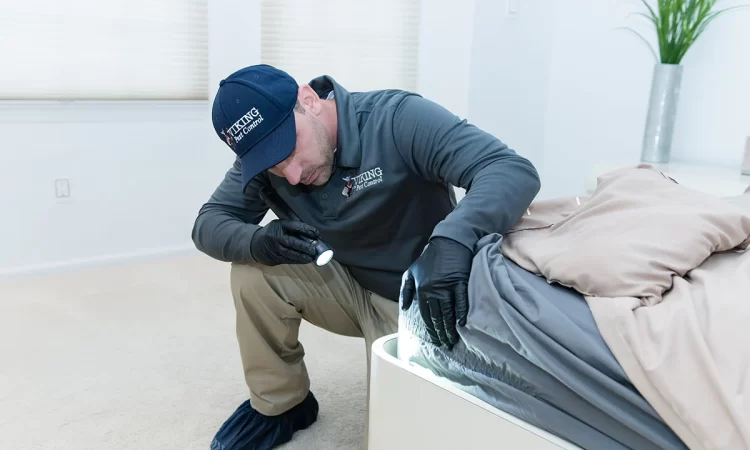
Pros know where to look—and how to spot early signs. They’ll check baseboards, furniture, outlets, and all the places bed bugs love to hide.
2. Proven Treatment Options
Depending on the severity, professionals may use a combination of:
- Heat treatments (which kill bugs at all life stages)
- Chemical applications (using products bugs haven’t built resistance to)
- Vacuuming, steaming, and dusting (as part of an integrated plan)
3. Follow-Up and Monitoring
Professionals don’t just treat once and leave. They follow up to ensure success, provide guidance on preparation and prevention, and adjust treatment if needed.
4. Long-Term Results
Most importantly, exterminators aim for complete elimination—not just short-term relief. That’s the key to protecting your home and your peace of mind.
So, Should You DIY or Call a Pro?
If you’ve spotted a single bug and you act fast with some basic cleaning and monitoring, you might be able to keep things under control.
But if you’ve:
- Noticed multiple bites
- Found bugs in furniture or bedding
- Seen signs like blood spots or shed skins
- Or live in a shared building…
…it’s time to call in a professional.
Trying to handle an infestation yourself often leads to delays—and the longer you wait, the worse (and more expensive) it becomes.
Final Thoughts
DIY treatments can be a helpful piece of the puzzle—but they’re no match for a full-blown bed bug problem. When it comes to these persistent pests, professional extermination is the most reliable way to eliminate them completely and stop the cycle.
In NYC, where bed bugs are a growing problem and apartment living allows them to spread quickly, acting early—and effectively—is the smartest move you can make.
Want a free inspection or have questions about treatment options? Reach out—we’re here to help NYC sleep tight again. We recommend exterminator new york.