Key Takeaways
- Flooring decisions affect budget, lighting, and overall design direction.
- Balcony integration expands usable space when planned early.
- Custom carpentry and concealed storage prevent clutter in small condo layouts.
Introduction
Condominium interior design in Singapore requires careful decisions from the start because structural walls, balcony lines, and developer finishes already shape the unit before renovation begins. Unlike larger landed homes, condominiums limit hacking and structural changes, so each design move must respond to what already exists. Floor levels, beam drops, and column placements affect furniture layout and storage planning immediately. If early decisions ignore these constraints, later stages of renovation become expensive and inefficient. The following seven decisions focus on practical choices that directly influence space usage, durability, and long-term resale value.
1. Deciding Whether to Retain Developer Flooring
Most condominiums in Singapore include marble, homogeneous tiles, or engineered timber flooring as standard finishes. When it comes to condominium interior design in Singapore, flooring decisions shape the overall renovation direction from the start. Before hacking any surface, assess the tile condition, grout spacing, and colour undertone to determine whether replacement is necessary. Changing flooring alters ceiling height perception, affects how light reflects across the room, and significantly impacts total renovation cost.
Overlaying vinyl reduces hacking expenses and shortens the renovation timeline, but it may affect door clearance, built-in carpentry alignment, and skirting details. Removing and replacing flooring provides full design control, yet it increases debris, labour coordination, and project duration. This flooring decision directly influences subsequent choices, including wall paint selection, carpentry finishes, and lighting temperature.
2. Determining How to Treat the Balcony
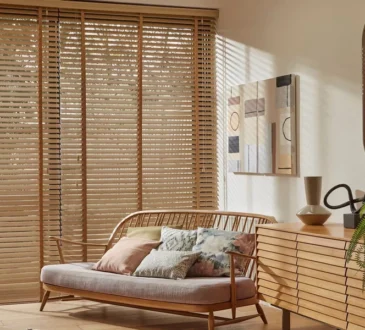
Balconies often occupy a visible portion of the living room frontage. Leaving the balcony visually disconnected wastes usable square footage. Extending similar floor finishes outward or installing weather-resistant deck tiles creates continuity. Outdoor blinds or sliding glass systems allow weather control without enclosing illegally. When the balcony functions as a dining nook, reading area, or lounge extension, daily use increases. This choice directly affects how spacious the main living area feels.
3. Planning Custom Carpentry Based on Layout Irregularities
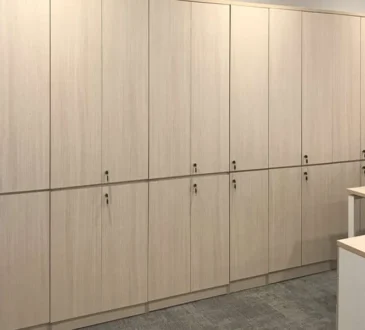
Condominiums frequently contain structural columns or angled walls. Loose furniture rarely fits these edges precisely. Custom carpentry addresses these irregularities by filling dead corners and aligning storage with ceiling height. A built-in wardrobe that spans wall to wall eliminates dust gaps and improves visual order. A study desk carved between two columns turns an awkward recess into a functional zone. Carpentry decisions must reflect actual measurements rather than catalogue dimensions.
4. Designing a Multi-Layer Lighting Plan
Most new units provide a single ceiling light point per room. Relying only on central lighting creates shadows along walls and corners. Cove lighting along ceiling perimeters softens beam drops and visually widens the space. Under-cabinet kitchen lighting improves food preparation visibility. Bedside wall lights free up surface space on small nightstands. Each lighting layer serves a task while contributing to the atmosphere. Planning lighting early prevents visible trunking and exposed wiring later.
5. Allocating Hidden Storage in Advance
Many condominiums lack dedicated storerooms. Without early storage planning, daily items accumulate in visible corners. Platform beds with drawers store spare bedding without adding wardrobes. Bay window seats conceal seasonal items while doubling as seating. Full-height kitchen cabinets prevent dust buildup on open shelves. Concealed storage maintains clean sightlines, which is critical in small condo design ideas where visual clutter shrinks perceived space. Storage planning must precede furniture purchases to prevent compromise.
6. Selecting a Controlled Material Palette
Small residential interior design projects suffer when too many finishes compete visually. Marble, laminate, glass, and metal combinations require coordination. Limiting primary finishes to two or three tones maintains coherence across the living, kitchen, and bedroom zones. Repeating one timber shade in wardrobes, TV consoles, and kitchen laminates reduces visual fragmentation. Consistent hardware finishes across door handles and cabinet pulls reinforce unity. This disciplined material selection supports long-term aesthetic durability.
7. Creating a Defined Entry Transition
Many condominium layouts open directly into the living area. Without a transitional buffer, shoes, bags, and keys become visible immediately. A slim partition screen or feature wall creates separation without blocking airflow. Floor tile differentiation marks the boundary between the entrance and the main living zone. A built-in shoe cabinet near the door reduces clutter migration. Establishing this entry structure improves organisation and enhances daily routines.
Conclusion
Effective condominium interior design in Singapore depends on early structural awareness and measured execution. Flooring decisions influence light and ceiling perception. Balcony treatment affects functional space. Carpentry resolves layout irregularities. Lighting defines mood and usability. Storage planning prevents future clutter. Material discipline protects visual consistency. Entryway planning organises daily movement. Each decision shapes how the unit functions long after renovation ends. Thoughtful planning at these seven points prevents costly revisions and supports lasting comfort.
Contact Jialux Interior to review your condominium interior design plans and align these seven decisions with your renovation goals.