The Fundamentals of Property Maintenance
Property maintenance is the systematic process of preserving the condition, functionality, and value of a building and its surrounding grounds. For property owners and managers, it’s not merely about fixing things when they break; it’s a comprehensive approach to ensuring the long-term health and habitability of an asset. This proactive stance is essential for several reasons. Firstly, it safeguards the significant financial investment that a property represents. Regular upkeep prevents minor issues from escalating into costly structural damage or system failures. Secondly, it directly impacts the safety and well-being of occupants, ensuring that all systems, from electrical to plumbing, operate safely and efficiently. Lastly, effective maintenance enhances the property’s aesthetic appeal and functionality, which are crucial for attracting and retaining tenants, commanding competitive rental rates, and ultimately increasing its market value.
We categorize property maintenance into several key types, each serving a distinct purpose in a holistic management strategy:
- Routine Maintenance: These are the daily, weekly, or monthly tasks that keep a property clean, functional, and aesthetically pleasing. Examples include cleaning common areas, changing light bulbs, checking smoke detectors, and basic landscaping.
- Preventive Maintenance: This proactive approach involves scheduled inspections, servicing, and repairs designed to prevent equipment failures and extend the lifespan of systems. Think HVAC tune-ups, gutter cleaning, and regular plumbing checks.
- Reactive Maintenance: Also known as corrective maintenance, this is the “fix-it-when-it-breaks” approach. It addresses issues that have already occurred, such as a leaky faucet or a broken appliance. While sometimes unavoidable, a heavy reliance on reactive maintenance is often a sign of insufficient preventive efforts.
- Emergency Maintenance: A subset of reactive maintenance, addressing urgent issues that pose an immediate threat to property or safety, such as burst pipes, electrical failures, or severe roof leaks.
A year-round property maintenance checklist should encompass a broad spectrum of tasks, from structural integrity checks to cosmetic upkeep. Key tasks include inspecting roofs and foundations, checking plumbing and electrical systems, maintaining HVAC units, ensuring proper drainage, and keeping common areas clean and safe. Beyond the physical tasks, effective property maintenance also involves strategic planning and management.
The success of any maintenance program hinges on the coordinated efforts of various professionals. Property managers play a central role, overseeing budgets, scheduling, tenant communication, and vendor relations. Maintenance technicians are the hands-on problem-solvers who perform repairs and routine checks. Janitors handle cleaning and waste management, contributing to the daily habitability. External vendors, such as plumbers, electricians, and specialized landscaping services, provide expertise for tasks beyond the in-house team’s scope. For comprehensive exterior care and landscaping, many property owners rely on dedicated services like those offered by Copperhead Property Maintenance, ensuring curb appeal and structural integrity from the outside in.
Despite its clear importance, property maintenance comes with its share of challenges. Managing the sheer volume of requests across multiple units, especially in large portfolios, can be daunting. We often find that a reactive mindset, in which repairs are addressed only after a breakdown, leads to higher costs and tenant dissatisfaction. Poor communication among teams, tenants, and vendors, coupled with tight budget constraints, further complicates matters. Seasonal surges, such as HVAC issues during heatwaves, can overwhelm resources. Overcoming these challenges requires a shift towards a proactive, technology-driven approach that fosters clear communication and strategic budgeting.
One of the most compelling arguments for robust property maintenance is its cost-effectiveness. Reactive repairs are significantly more expensive than preventive fixes-statistics show they can be 3-4 times pricier, with some sources indicating up to 400% more per incident. This is because reactive repairs often involve emergency call-out fees, expedited parts, and the potential for greater damage due to delayed intervention. In contrast, preventive maintenance, while requiring an upfront investment, delivers a substantial return on investment (ROI). For large property portfolios, this ROI can reach 545%, demonstrating the immense financial benefit of anticipating and addressing issues before they escalate. Properties that audit maintenance trends quarterly are also 23% more likely to stay under budget for major repairs, highlighting the value of data-driven insights.
The impact of effective property maintenance extends far beyond cost savings. It is a critical driver of tenant satisfaction and retention. A staggering 87% of tenant complaints stem from poor maintenance, including unresolved leaks, slow turnaround times, and poor communication. Conversely, even a 1-point boost in resident satisfaction can reduce move-outs by nearly 20%. Properties that prioritize maintenance see improved online reviews, which are vital for attracting new residents. For example, improving tenant satisfaction from 2.5 to 4.5 stars has been shown to lead to a 50% drop in vacancies and a 60% reduction in work orders. A well-maintained property retains its value, attracts quality tenants, and fosters a positive living or working environment.
Safety and compliance are non-negotiable aspects of property maintenance. Critical tasks include regularly inspecting and testing fire alarms and carbon monoxide detectors, ensuring proper pest control to prevent infestations, and conducting routine HVAC inspections to maintain air quality and prevent fire hazards. Neglecting these tasks not only endangers occupants but can also lead to significant legal liabilities, fines, and insurance issues. For instance, 19% of tenants in social housing express dissatisfaction with repairs due to compliance delays, underscoring the importance of adhering to regulations.
To illustrate the stark differences, consider this comparison of maintenance strategies:
Feature Preventive Maintenance Reactive Maintenance Emergency Maintenance Timing Scheduled, proactive, before failure Unscheduled, after failure occurs Immediate, critical, after catastrophic failure Cost Lower, predictable, planned Higher, unpredictable, often includes premium for speed Highest, unplanned, includes significant damage control Impact Extends asset life, improves reliability, high tenant satisfaction Disruptive, reduces asset life, lower tenant satisfaction Highly disruptive, safety risks, severe tenant dissatisfaction Planning Detailed schedules, resource allocation Minimal planning, ad-hoc resource mobilization No planning, rapid response required ROI High (e.g., 545% in large portfolios) Negative (costly repairs, lost revenue) Severely negative (major repairs, legal issues)
Seasonal Checklists for Year-Round Protection
Seasonal changes significantly influence property maintenance needs. Each season brings unique environmental stressors and operational demands that require specific attention. Ignoring these seasonal shifts can lead to accelerated wear and tear, system failures, and increased repair costs. A comprehensive seasonal maintenance plan ensures that your property is prepared for whatever the weather brings, from scorching summers to freezing winters.
Here’s an overview of key seasonal tasks:
- Spring: Focus on recovering from winter and preparing for warmer weather. This includes cleaning gutters and downspouts of winter debris, inspecting roofs for damage, checking irrigation systems, and performing initial landscaping cleanup. It’s also an ideal time for HVAC system check-ups before the cooling season begins.
- Summer: Concentrate on keeping cooling systems efficient and maintaining outdoor areas. Tasks involve checking air conditioning units, cleaning coils, inspecting windows and doors for drafts, and ongoing lawn and garden care. For properties with pools, regular chemical balancing and cleaning are crucial. Many property owners also schedule their seasonal landscaping upkeep during this period to ensure their grounds remain pristine and inviting throughout the warmer months.
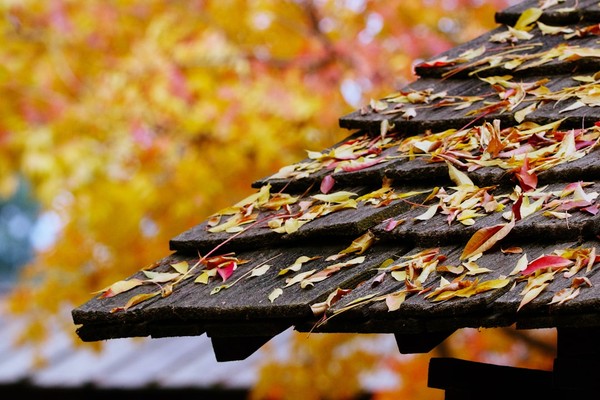
- Fall: Prepare for colder temperatures and potential precipitation. This means weatherizing windows and doors, cleaning and inspecting heating systems, raking leaves, pruning trees, and ensuring proper drainage to prevent water accumulation around foundations.
- Winter: Primarily focuses on protecting against cold, ice, and snow. Key tasks include preventing frozen pipes, ensuring heating system reliability, and managing snow and ice removal.
An effective seasonal maintenance approach also benefits from having the right tools. Here’s a list of essential seasonal maintenance tools we recommend:
- Ladders: For roof and gutter access (ensure safety precautions are in place).
- Pressure Washer: For exterior cleaning (siding, decks, driveways).
- Gutter Cleaning Tools: Scoops, extendable poles, leaf blowers.
- HVAC Filter Replacements: Stock up for regular changes.
- Weatherstripping & Caulk: For sealing drafts.
- Snow Shovels & Ice Melt: For winter safety.
- Garden Hoses & Sprinkler Repair Kits: For irrigation maintenance.
- Basic Hand Tools: Wrenches, screwdrivers, and pliers for minor repairs.
- Safety Gear: Gloves, eye protection, sturdy footwear.
Seasonal Property Maintenance for Winter
Winter, particularly in colder climates, presents some of the most critical maintenance challenges. The primary concerns revolve around protecting plumbing systems from freezing, ensuring heating systems operate efficiently, and managing snow and ice to maintain safe access.
During winter, we prioritize tasks like insulating exposed pipes, especially those in unheated areas or near exterior walls. This simple step can prevent devastating burst pipes, which are among the most costly and disruptive emergency repairs. Regular furnace filter replacement is crucial for heating system efficiency and indoor air quality. We also recommend sealing drafts around windows and doors to prevent heat loss and reduce energy bills. Beyond these, comprehensive plumbing inspections are vital before winter sets in. This includes checking for any existing leaks, ensuring outdoor spigots are drained, and verifying that water heaters are functioning optimally. For a deeper dive into preparing your plumbing for winter, including property maintenance tankless repair considerations, consider reviewing our guide on how to winterize your plumbing system.
Snow removal is another significant winter responsibility, not just for aesthetics but for safety and accessibility. Clear walkways, driveways, and emergency exits are paramount. Finally, ensuring the reliability of heating systems through professional check-ups is a proactive measure that prevents breakdowns during the coldest months. Our resources on preparing your heating system for the cold season and the South Shore Winter Heating Checklist offer further detailed guidance.
Optimizing Critical Home Systems
Beyond seasonal tasks, a deep focus on optimizing critical home systems is paramount for long-term property health. These systems-HVAC, plumbing, and electrical-are the backbone of any comfortable and functional property. Their efficient operation directly impacts energy consumption, safety, and occupant satisfaction.
Maintaining energy efficiency in these systems is not just about saving money; it’s about reducing environmental impact and ensuring consistent comfort. Proper ventilation is key to indoor air quality and preventing moisture-related issues. Electrical panel safety checks are critical to prevent fire hazards and ensure reliable power distribution. For plumbing, tasks like property maintenance, tankless repair, and leak detection are essential to prevent water damage and conserve resources. Regular checks for water pressure regulation ensure consistent performance and prevent undue stress on pipes and fixtures. These efforts extend the lifespan of expensive appliances and infrastructure, deferring costly replacements.
Budgeting for maintenance is a common concern for property owners. A general guideline is to allocate 1% of the property’s value annually for maintenance. Alternatively, setting aside 10-15% of the annual rent income is another widely accepted approach. These figures account for both routine and unexpected repairs, helping to avoid financial surprises. Average costs for common services can vary widely by region and property type, but regular preventive service calls for HVAC systems, for example, are typically far less expensive than emergency repairs or full system replacements.
Plumbing and HVAC Property Maintenance
Plumbing and HVAC systems are arguably the most vital components of a property, directly influencing comfort, health, and safety. Proactive maintenance in these areas is non-negotiable.
For plumbing, routine drain cleaning prevents clogs and keeps water flowing freely. Regular water heater flushing removes sediment buildup, extending the unit’s life and improving efficiency. Our detailed article on plumbing maintenance. offers comprehensive insights. We also recommend regular inspections of sewer lines to ensure integrity, which can prevent catastrophic backups and costly excavations. For all your expert plumbing care needs, from leak detection to pipe repair, professional assessment is invaluable.
HVAC maintenance includes tasks such as thermostat calibration to ensure accurate temperature control and optimal energy use. Checking refrigerant levels in air conditioning units is crucial for efficient cooling. Furthermore, routine inspections of all components, including ducts and vents, help improve air quality and extend system longevity. Our guide on high-mileage HVAC checkups provides excellent advice for maintaining older systems. Regular servicing helps prevent the 3-4x surge in HVAC tickets seen during the first heatwaves of summer, according to industry statistics.
Leveraging Technology for Efficient Upkeep
In today’s world, leveraging technology is no longer optional but essential for efficient property maintenance. Modern property maintenance software and integrated technological solutions are transforming how properties are managed, streamlining operations and significantly improving efficiency.
Maintenance software platforms centralize work orders, scheduling, and communication, moving away from outdated manual processes. These systems enable property managers to track every request, assign tasks, and monitor progress in real time. This digital transformation addresses the challenge of managing high volumes of service requests; for every 100-unit property portfolio, expect 300+ service requests monthly, with spikes during move-ins and seasonal transitions.
Beyond software, IoT (Internet of Things) devices are revolutionizing preventive maintenance. Smart sensors can detect leaks early, preventing extensive water damage. For instance, IoT leak sensors can prevent 90% of widespread water damage incidents, saving property owners significant repair costs. Smart thermostats, in addition to optimizing energy use, can provide diagnostic data to predict potential HVAC issues.
Technology also enhances communication transparency. Tenant portals empower residents to submit service requests online, track their status, and receive automated updates, which is crucial given that 87% of tenant complaints stem from poor maintenance experiences, often due to a lack of communication. This self-service capability is increasingly expected; 58% of Gen Z renters, for example, say they won’t lease from a property that lacks such portals or online updates. This not only improves tenant satisfaction but also reduces administrative work by 30-40%.
Automated service requests and workflows ensure that tasks are assigned promptly and completed efficiently. Digital documentation, including photos and notes from inspections and repairs, creates a comprehensive history for each unit and asset, aiding in future maintenance planning and compliance. Field staff equipped with mobile tools can resolve requests 28% faster, highlighting the benefits of digital integration.
Best practices for property managers now heavily involve technology:
- Tenant Communication: Implement resident portals and automated notification systems for maintenance updates.
- Vendor Management: Use software to track vendor performance, contracts, and scheduling, ensuring accountability and quality service.
- Budgeting: Leverage software to monitor maintenance costs against budget in real-time, allowing for proactive adjustments and ensuring properties stay under budget for major repairs.
By embracing these technological advancements, property maintenance shifts from a reactive burden to a proactive, data-driven strategy that benefits everyone involved.
Frequently Asked Questions about Property Maintenance
We often encounter common questions from property owners and managers regarding the nuances of property maintenance. Here, we address some of the most frequently asked queries to provide clarity and actionable insights.
Why is preventive maintenance more effective than reactive repairs?
Preventive maintenance is inherently more effective because it addresses potential issues before they become critical failures. This proactive approach enables scheduled interventions that are typically less expensive, less disruptive, and less time-sensitive than reactive repairs. As statistics show, reactive repairs can be 3-4 times more costly than preventive fixes, and for large property portfolios, preventive maintenance can yield an ROI of 545%. By preventing breakdowns, you extend system lifespans, reduce emergency call-outs, maintain tenant satisfaction, and preserve property value. It transforms maintenance from an unpredictable expense into a manageable, budgeted investment.
How often should major home systems, such as HVAC and plumbing, be inspected?
For optimal performance and longevity, major home systems, such as HVAC and plumbing, should be inspected regularly. We recommend annual professional inspections for both HVAC and plumbing systems. HVAC systems benefit from a check-up before both the heating season (fall) and the cooling season (spring) to ensure efficiency and prevent breakdowns during peak usage. Plumbing systems should also receive an annual inspection to check for leaks, corrosion, proper drainage, and the proper functioning of the water heater. More frequent checks (e.g., quarterly) may be beneficial for older properties or those with known issues. Seasonal checklists also provide specific guidance for tasks throughout the year that contribute to the overall health of these systems.
What are the most common signs of property maintenance neglect?
Property maintenance neglect often manifests through several tell-tale signs. Internally, look for persistent leaks (even small drips), slow drains, flickering lights, unusual noises from HVAC units, musty odors (indicating mold or moisture issues), and visible pest infestations. Externally, signs include clogged or overflowing gutters, damaged roofing (missing shingles, sagging), peeling paint, cracked foundations, overgrown landscaping, and poor drainage around the property. These indicators are not just cosmetic; they often point to underlying structural or system problems that, if ignored, will lead to more significant and expensive repairs down the line, decrease property value, and negatively impact tenant satisfaction and safety. For exterior upkeep support, many owners work with Copperhead Property Maintenance to help keep grounds, drainage paths, and curb appeal in strong condition year-round.
Conclusion
Effective property maintenance is the cornerstone of responsible property ownership and management. It’s a continuous commitment that ensures habitability, preserves property value, and fosters a positive environment for all occupants. By embracing a proactive management philosophy, prioritizing preventive measures over reactive fixes, and strategically leveraging modern technology, property owners can achieve long-term sustainability and peace of mind. Investing in the structural integrity and operational efficiency of your property is not merely an expense; it’s a wise investment that yields significant returns in tenant satisfaction, retention, and overall asset appreciation.