Key Takeaways
- Recognize early signs of plumbing trouble to prevent severe damage and high repair costs.
- Prompt action preserves both your property’s safety and efficiency.
- Enlist professionals when necessary to ensure thorough repairs and ongoing reliability.
Maintaining a reliable plumbing system is essential for every homeowner who values comfort and safety. When seemingly minor issues are ignored, they can quickly escalate into disasters requiring extensive and expensive repairs. Recognizing potential issues early, such as with Blair & Norris well filter replacement, makes all the difference in preventing costly water damage and health hazards. Many plumbing problems start small, but even subtle signs can signal more serious issues beneath the surface. Pipes and fixtures gradually deteriorate, and if you miss the initial signals, you might face significant inconvenience and property damage. Learning to spot these warning signs early puts you in the best position to act quickly and protect your home.
Investing a little time in regular monitoring can help you sidestep disaster, avoid unnecessary expenses, and maintain the safety and efficiency of your home’s plumbing. Whether you notice strange sounds, unexplained stains, or higher bills, each clue deserves your attention. It’s also wise to familiarize yourself with the layout of your home’s plumbing system, including the location of shutoff valves. This knowledge can make a real difference in an emergency, allowing you to respond quickly to unexpected situations like burst pipes or severe leaks, minimizing potential losses and disruption. Plumbing systems don’t last forever, and the earlier you notice problems, the easier they are to fix. For advanced repairs or challenging issues, you may want to contact a reputable local provider, such as Cherry Blossom Plumbing and Water Systems, for an expert assessment and service.
1. Persistent Low Water Pressure
If you suddenly experience weak water flow in your showers, sinks, or other fixtures, you may have bigger issues lurking within your plumbing. Clogged pipes, hidden leaks, or disruption in the main water line are typical culprits. Sometimes, built-up minerals or internal corrosion can slowly restrict water movement. It’s best to have your pipes inspected by a licensed plumber before they become more disruptive. A sudden drop in water pressure can be alarming, but even gradual changes are worth your attention. Monitoring both hot and cold water supplies in different parts of your home can help determine whether the issue is isolated or widespread, offering valuable clues to its cause. Sometimes the problem is related to the fixtures themselves, such as clogged aerators, while at other times the entire network could be at risk. Don’t overlook outdoor faucets and irrigation systems, either, as pressure concerns outdoors might indicate underground leaks or pipe degradation.
It’s also a good idea to periodically test your water pressure using a simple pressure gauge, available at most hardware stores. Consistently recording the readings allows you to spot downward trends over time. If you live in an area with older infrastructure, periodic pressure fluctuations could indicate municipal line issues, which may require coordination with your city’s water department. In multifamily buildings, consistently low pressure may indicate shared pipe issues or a failing pressure regulator, which should be addressed promptly to maintain comfort and safety for all residents.
2. Slow or Clogged Drains
It’s common for drains to clog from time to time, but if you notice that water backs up in multiple locations at once, you could be dealing with a block in the main sewer line. Ignoring this problem can lead to sewage backups and create significant health hazards. Small household fixes like plungers or drain cleaners can address minor clogs, but a recurring issue means you should seek professional intervention.
Regular maintenance, such as periodically cleaning out hair traps in bathroom drains and being cautious about what goes down your kitchen sink, can help prevent some clogs from forming. Additionally, avoid using chemical drain cleaners excessively, as these can damage your pipes over time and worsen existing issues. Persistent gurgling or bubbling in the sinks may also indicate a more serious blockage forming in your lines. Periodic professional drain cleaning can keep the system running efficiently and catch buildup before it turns into a major obstruction. Tree roots seeking water sometimes infiltrate sewer lines through tiny cracks, significantly compounding blockage problems. If you notice slow drains after rain or in specific areas of your yard, consider having a professional perform a sewer camera inspection. If left untreated, tree root intrusion can break pipes, result in costly repairs, and even necessitate excavation. Preventative root treatments and regular inspections in older homes or neighborhoods with mature trees are highly recommended for long-term peace of mind.
3. Unpleasant Odors
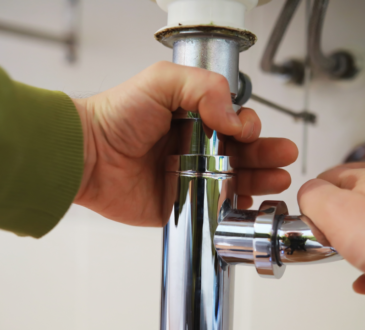
Foul smells coming from your drains or around the home are often signs of a plumbing emergency. Sewer gas leaks or drainage problems can expose your household to hazardous gases. Quick action is crucial, as these odors can not only cause discomfort but also signal underlying damage or leaks that put both your health and property at risk. In some cases, a dry P-trap (the U-shaped bend in your pipe) allows sewer gases to enter the living space. Simply running water in unused bathrooms or floor drains can resolve this, but if odors persist, further investigation is needed. Odors from hot water could indicate bacterial growth in the water heater, which may require flushing or even replacement. Musty smells can also signal mold or mildew resulting from chronic moisture, so they should not be disregarded.
Chronic plumbing odors can also be caused by improper venting in your plumbing system. Every fixture drain should have an appropriate vent stack to release sewer gases outside your home. Blocked or improperly installed vents can force gases to enter living spaces, causing persistent foul smells. Professional plumbers can inspect vent piping to ensure everything is connected properly. Homeowners can check for obvious issues like bird nests or debris blocking vent pipes on the roof, but a pro might be needed for a comprehensive evaluation. Regular attention to these details protects your indoor air quality and keeps unpleasant smells at bay.
4. Discolored or Rusty Water
If your tap water takes on a brown, yellow, or reddish tint, this typically suggests rusting pipes or sediment buildup. Discoloration should never be ignored, as it affects water quality, can stain clothing and fixtures, and often signals that pipes are nearing failure. Replacing aging pipes or flushing your system may be necessary to restore water clarity and safety.
Sometimes, the issue is temporary, for example, if municipal repairs stir up sediment in the public supply, discoloration may clear after a short period. However, if the issue is isolated to hot water, your water heater could be corroding from the inside. Always document when and where discoloration occurs, and share this information with your plumber to help with an accurate diagnosis and solution. Homes using well water systems are particularly susceptible to iron and mineral deposits, leading to chronic discoloration and taste issues. Routine maintenance, such as water softener upkeep and regular filter changes, can alleviate many problems. However, if discoloration persists or is accompanied by a metallic taste, consult a professional for water quality testing and an assessment of the whole water delivery system. Prompt intervention preserves both your family’s health and your plumbing’s longevity.
5. Unusual Noises from Pipes
Banging, knocking, or rattling sounds in your pipes can indicate trapped air, failing fixtures, or loose connections. These noises, sometimes called “water hammer,” can damage your plumbing over time. Fixing these issues early helps keep your plumbing system running smoothly and can prevent burst pipes or leaks. Some noises, such as whistling or high-pitched squeals, can indicate issues with valves or faucets; these are generally easy to fix by replacing worn components. However, the sudden appearance of noises in walls or ceilings could mean that pipe anchors have come loose or pipes are contracting and expanding excessively. Cushioning exposed pipes and ensuring all supports are intact is often enough, but in some cases, professional rerouting or replacement may be required to avoid long-term damage.
6. Visible Water Stains or Damp Spots
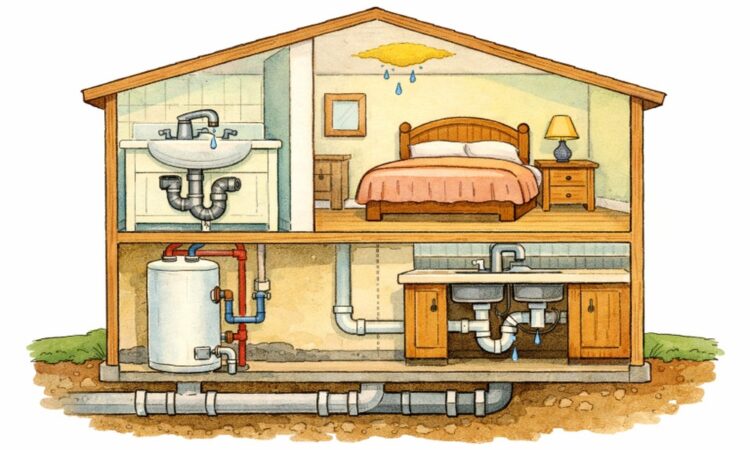
If you notice water stains on your ceilings, walls, or floors, these are often signs of hidden leaks. Such spots can result from leaking pipes or joints behind your home’s surfaces. Addressing these warning signs early will prevent mold growth and minimize the risk of long-term structural damage. Use a moisture meter, which is available at most home improvement stores, to evaluate mysterious dark marks or soft spots in drywall. Consistently damp areas, especially around baseboards and under sinks, are strong hints of ongoing leaks that require immediate investigation. Remember that water follows the path of least resistance, so that the source may be above the stain. Always err on the side of caution and consult a professional when stains appear rapidly or expand in size.
7. Increased Water Bills
When your water bill climbs without explanation, you may leak into your plumbing system. Even a small, continuous leak can waste significant amounts of water and money over time. Monitor your usage closely and compare bills regularly to catch this warning early.
In addition, it’s wise to check for signs of leaks even when you don’t see visible water, listen for dripping sounds, sobbing pipes, or faint hissing in quiet rooms. Sometimes, outdoor irrigation systems or underground pipes can be the source of hard-to-find leaks, so look for consistently damp soil or patches of overly green grass outside. Another helpful tactic is to turn off all water sources in your house and observe your water meter; if the meter continues to move, you have a hidden leak. This test, combined with a thorough inspection of seldom-used areas such as basements and crawl spaces, helps pinpoint leaks before they cause more severe problems. Early detection keeps repair costs low and conserves a critical resource for your household and the wider community.
8. Frequent Plumbing Leaks
Recurring leaks in fixtures, hoses, or pipes are a major red flag. Even if these leaks seem minor, they may point to deteriorating pipes or faulty connections that require extensive repairs. Persistent problems should prompt a thorough inspection by a trusted professional to identify and fix the underlying issue before greater damage occurs.
Developing a routine plumbing maintenance schedule and checking under sinks, around toilets, and behind appliances can help you catch small leaks before they worsen. In older homes, pipe joints and valves are more prone to failure, so extra vigilance is advised. Keeping a record of repairs and recurring problems can help your plumber identify patterns that reveal broader issues in your plumbing system. Don’t forget to evaluate hoses and fittings connected to appliances such as dishwashers, washing machines, and water heaters. Newer high-efficiency appliances sometimes use flexible hoses that are more prone to kinks, weak points, or punctures. Replace rubber hoses with steel-braided options when possible, and inspect periodically for small pools of water, corroded connectors, or bulging sections. Proactive replacement prevents unexpected flooding and keeps your appliances functioning safely and efficiently.
Conclusion
Detecting and addressing plumbing issues early is the key to preserving the integrity and safety of your home. Simple observation and swift intervention can save you from expensive repairs, water damage, and severe inconvenience. When you notice any of the above warning signs, consult a qualified plumber for a prompt, thorough assessment to ensure your home remains comfortable and protected. Remember, prevention is always less stressful and more affordable than dealing with a plumbing crisis after the fact. Establishing a good relationship with a local plumbing professional ensures you have expert help when you need it, drastically reducing the risk of emergencies. Consider scheduling annual plumbing checkups to catch hidden issues before they escalate, giving you peace of mind and helping protect the long-term value of your property. As technology evolves, consider upgrading to smart plumbing systems that can send alerts when they detect leaks or unusual water flow. Many modern systems are now compatible with smartphones and home automation tools, making it easier to monitor and protect your property, even while you’re away. Ultimately, proactive care, regular professional assessments, and an attentive eye can extend the life of your plumbing, improve water quality, and safeguard your home’s health for years to come.