The Financial and Structural Impact of Regular Plumbing Maintenance
As homeowners, we often don’t think about our plumbing until a sudden leak or clog demands immediate attention. But what if we told you that most plumbing emergencies, and the costly repairs they bring, are entirely preventable? In May 2026, the reality remains: water damage is the second most common homeowner insurance claim, averaging a staggering $12,514 per incident. This isn’t just about money; it’s about protecting our homes and our peace of mind.
Proactive care, following a structured approach to plumbing maintenance, can significantly reduce these risks. Think of it as a continuous cycle of planning, doing, checking, and acting – much like a robust plumbing maintenance PDCA cycle. By embracing routine maintenance, we can avoid typical repair costs that reach $950 or more, save on water bills, and extend the lifespan of our entire plumbing system.
In this comprehensive guide, we’ll equip you with the knowledge and actionable steps to safeguard your home’s plumbing. We will explore essential DIY tasks, seasonal strategies, how to properly maintain key appliances, and when it’s crucial to call a professional. Our goal is to empower you to turn potential disasters into minor inconveniences, ensuring your plumbing runs smoothly for years to come.
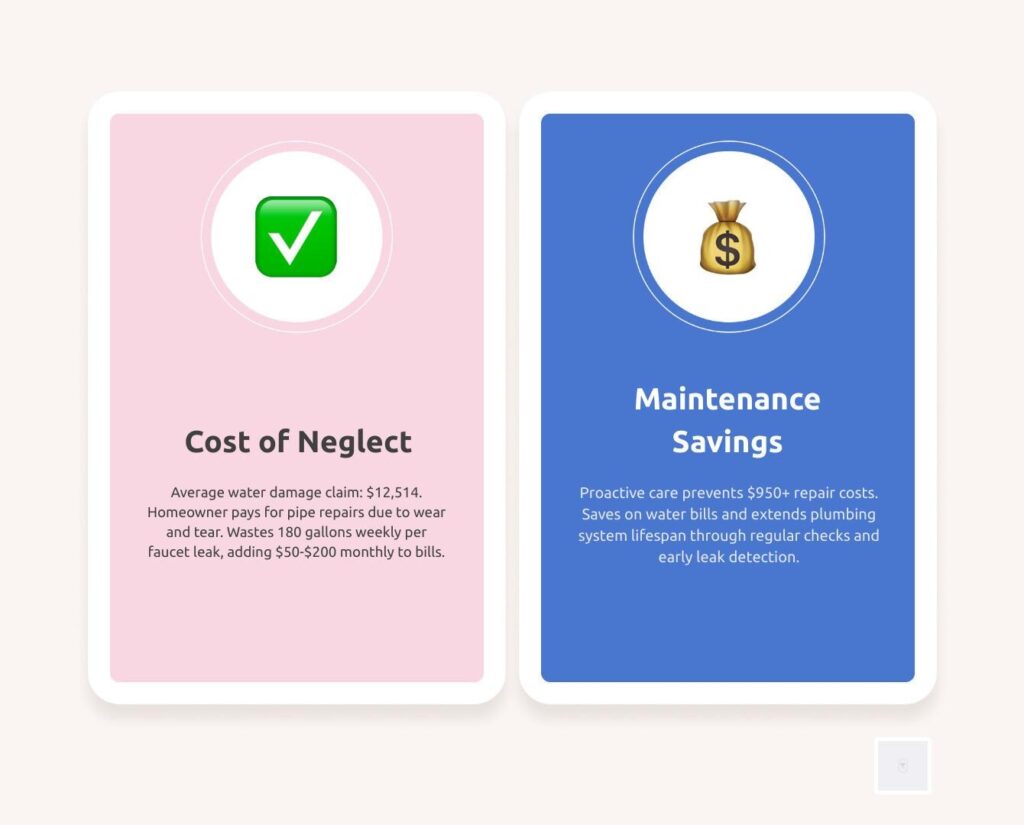
The statistics paint a clear picture: neglecting your home’s plumbing can be incredibly costly. Water damage stands as the second most frequent homeowner insurance claim in the United States, with an average payout of $12,514 per incident. What’s often overlooked is that while homeowners insurance generally covers sudden and accidental water damage, it rarely covers the damage to the pipe itself if it’s due to wear and tear or lack of maintenance. This means the homeowner is left to cover the expense of the plumbing repair, on top of potentially higher premiums or deductibles for the water damage claim.
Beyond direct repair costs, poor plumbing maintenance significantly impacts water efficiency and your monthly utility bills. The Environmental Protection Agency (EPA) highlights that a single faucet water leak can waste up to 180 gallons per week. Multiply that by multiple small leaks, and the cumulative effect on your water bill is substantial. A silently leaking or running toilet, for instance, can waste anywhere from 30 to 200 gallons of water daily, adding an extra $50 to $200 to your water bill each month. These seemingly minor issues contribute to nearly a trillion gallons of water wasted nationwide annually.
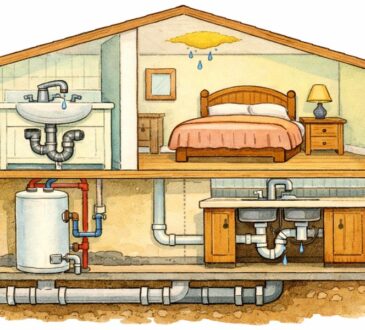
The implications extend far beyond finances. Unaddressed leaks can lead to severe structural damage, compromising the integrity of your home’s foundation, walls, and ceilings. Persistent moisture creates an ideal environment for mold and mildew growth, which can pose serious health risks and necessitate expensive remediation. By preventing these issues through consistent maintenance, you not only save money but also preserve the structural soundness and overall value of your property. Proactive care is an investment in your home’s longevity and your family’s well-being.
Comprehensive Checklist for Routine Plumbing Care
Taking a proactive approach to plumbing maintenance doesn’t require a professional every time. Many tasks are well within the capabilities of the average homeowner, significantly reducing the likelihood of costly emergencies. While typical plumbing repairs average around $330, ignoring early warning signs can escalate costs to $950 or more. A small investment of time and a few basic tools can prevent these larger expenses.
For homeowners looking to tackle routine plumbing care, a basic toolkit is essential. We recommend having:
- Plunger: For minor clogs in sinks, toilets, and tubs.
- Adjustable Wrench: For tightening nuts and bolts on fixtures.
- Pipe Wrench: For larger pipes and stubborn connections (use with care to avoid damage).
- Pliers (various types): Needle-nose, slip-joint, and channel-lock pliers are all useful.
- Screwdrivers (flathead and Phillips): For fixture repairs and access panels.
- Flashlight: To inspect hard-to-reach areas.
- Bucket and Rags: For catching drips and cleaning up spills.
- Pipe Tape (Teflon tape): For sealing threaded pipe connections.
- Baking Soda and White Vinegar: For natural drain cleaning.
- Water Pressure Gauge: To monitor your home’s water pressure.
When considering the financial benefits, comparing DIY maintenance costs to potential emergency repair expenses clearly illustrates the value. Imagine a simple comparison:
Maintenance Task (DIY Cost) Potential Emergency (Repair Cost) Checking for leaks (Free) Water damage from burst pipe ($2,000 – $15,000) Flushing water heater (Free) Water heater replacement ($800 – $1,500+) Clearing slow drain ($5-$10 for supplies) Professional drain cleaning ($150 – $350) Testing shutoff valves (Free) Uncontrolled flood due to seized valve ($2,000 – $15,000) Essential Monthly Tasks for Plumbing Maintenance
Consistency is key when it comes to preventing plumbing problems. Setting aside a short time each month for a quick inspection can make a huge difference.
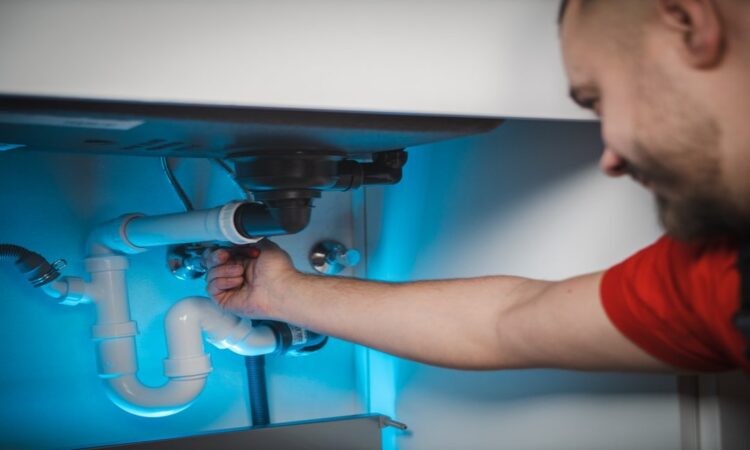
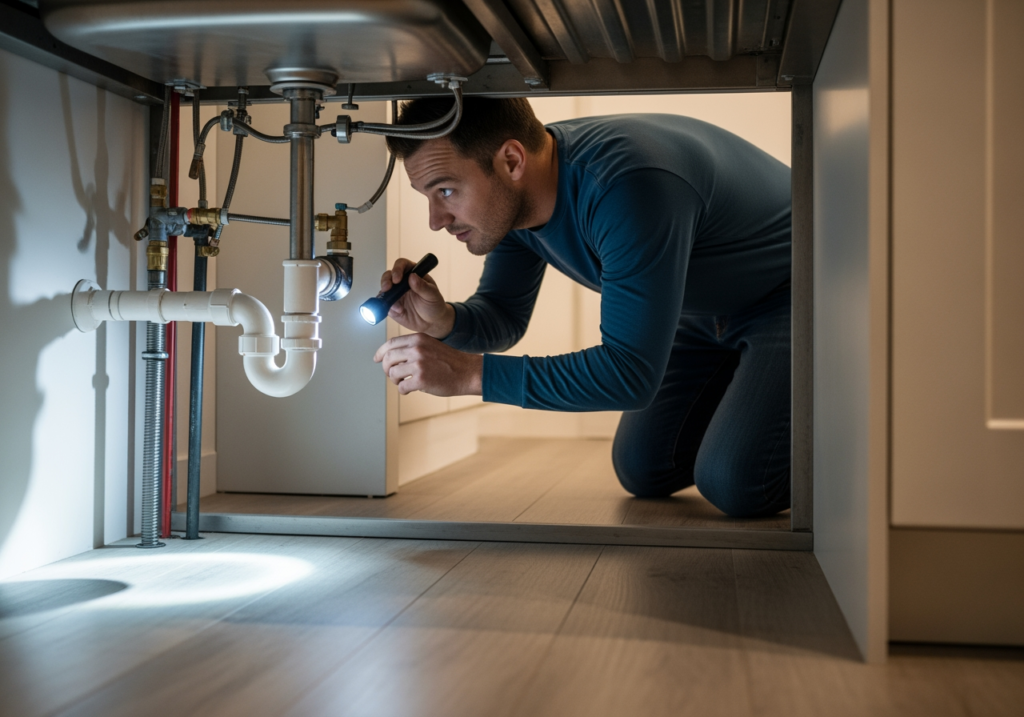
- Leak Detection: This is paramount. Check under every sink for any signs of moisture, drips, or musty odors. Inspect the base of toilets and around appliance connections (dishwasher, washing machine, refrigerator ice maker). Even a small drip can lead to significant damage over time.
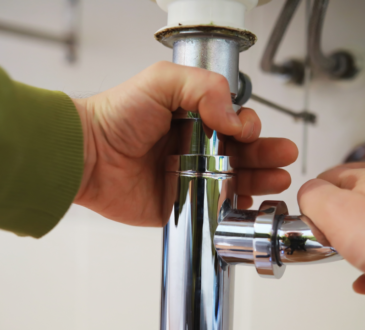
- Under-Sink Inspections: While checking for leaks, also look for any corrosion on pipes, particularly around the P-traps. Ensure all connections are snug.
- P-Trap Cleaning: While not strictly monthly, a quick visual check of P-traps can reveal debris. If you notice slow drainage, a quarterly cleaning of these traps can prevent full clogs.
- Garbage Disposal Care: Run cold water before, during, and after using your garbage disposal. Avoid putting fibrous foods, coffee grounds, grease, or large quantities of food down it. A monthly clean with ice cubes and a little dish soap can keep blades sharp and odors at bay.
- Lint Trap Replacement: For washing machines, regularly check and clean the lint trap to ensure proper drainage and prevent blockages.
- Water Meter Monitoring: Pick a consistent time each month to check your water meter reading. After ensuring all water-using appliances and fixtures are off, observe if the meter is still moving. Any movement indicates a hidden leak somewhere in your system. This simple check can detect silent leaks, like a running toilet, which can waste thousands of gallons annually.
Quarterly and Annual System Evaluations
Beyond monthly checks, certain tasks should be performed quarterly or annually to ensure the long-term health of your plumbing system.
- Water Pressure Testing: High water pressure is a silent destroyer of plumbing components. Use a water pressure gauge (available at hardware stores) to test the pressure at an outdoor hose bib. Ideal residential water pressure should fall between 40 and 60 psi. If your pressure consistently exceeds 80 psi, consider installing a pressure-reducing valve (PRV) to prevent accelerated wear on fixtures and appliances.
- Shutoff Valve Exercise: Over time, shutoff valves can seize due to mineral buildup or lack of use. Annually, locate and gently turn the main water shutoff valve off and then back on. Do the same for individual fixture shutoff valves (under sinks, behind toilets). This ensures they remain functional in an emergency.
- Showerhead Descaling and Aerator Cleaning: Mineral deposits can reduce water flow and efficiency. Quarterly, remove showerheads and faucet aerators and soak them in a solution of white vinegar overnight. This dissolves mineral buildup, restoring optimal water flow and pressure.
- For a more extensive overview and to stay on top of all these tasks, consulting a comprehensive resource like a Plumbing Maintenance Checklist (2026) can be incredibly helpful for planning your routine.
Seasonal Strategies: Winterization and Spring Revivals
Different seasons bring unique challenges and maintenance requirements for your plumbing system. Proactive seasonal care, especially for winter, is critical to preventing some of the most catastrophic and expensive plumbing disasters.
Winterization: Protecting Against the Freeze
The threat of frozen pipes is very real, particularly when temperatures drop below 20 degrees Fahrenheit for extended periods. Water expands by 9% when it freezes, generating immense pressure that can easily split copper, PVC, and other pipe materials. A burst pipe can cause tens of thousands of dollars in water damage, with insurance claims for such incidents often ranging from $10,000 to $15,000.
Here’s how to prepare your plumbing for winter:
- Disconnect Outdoor Hoses: Before the first hard freeze, disconnect all garden hoses from outdoor spigots. Drain the hoses and store them indoors. Leaving a hose connected can trap water in the spigot, causing it to freeze and burst the pipe inside your wall.
- Shut Off and Drain Outdoor Spigots: If you have separate shutoff valves for outdoor spigots, turn them off and open the spigots to drain any remaining water.
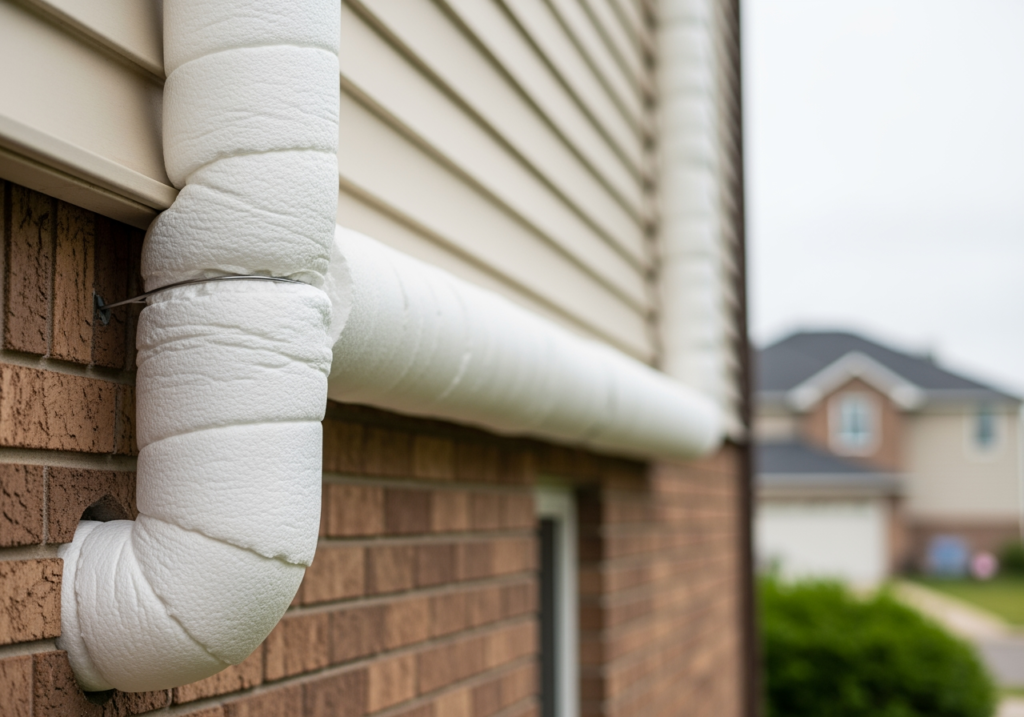
- Insulate Exposed Pipes: Pipes in unheated areas like basements, crawl spaces, garages, and exterior walls are most vulnerable. Use foam pipe insulation (which typically costs between $0.50 and $5 per linear foot) to wrap these pipes. Even a thin layer of insulation can provide crucial protection.
- Open Cabinet Doors: For sinks on exterior walls, open the cabinet doors underneath to allow warmer indoor air to circulate around the pipes.
- Drip Faucets During Extreme Cold: When temperatures are severely low (e.g., below 20°F for several hours), letting a faucet drip slowly can prevent freezing. The continuous movement (kinetic energy) of water, even a trickle, makes it harder for ice to form and relieves pressure buildup if freezing does occur.
- Maintain Indoor Heat: If you’re away from home during winter, never turn your heat off completely. Set your thermostat to at least 55°F to keep pipes warm enough to prevent freezing.
- Know Your Main Shutoff Valve: Ensure everyone in your household knows where the main water shutoff valve is and how to operate it. In the event of a burst pipe, quickly shutting off the main water supply can minimize damage.
Spring Revivals: Recovering and Preparing
Once winter passes, it’s time to assess any potential damage and prepare your system for warmer months.
- Inspect Outdoor Hose Bibs: Check outdoor spigots for any cracks or leaks that might have resulted from winter’s cold.
- Check Exposed Pipes: Re-inspect all pipes that were exposed or insulated during winter for any signs of damage, such as small cracks or bulges.
- Sump Pump Testing: Before heavy spring rains, test your sump pump to ensure it’s ready. Pour a 5-gallon bucket of water into the sump pit. The pump should activate, drain the water, and then shut off. Check that the discharge line is clear of debris.
- Sprinkler System Blowout (if applicable): If you winterized your sprinkler system by blowing out the lines, remember to properly reactivate it in the spring following manufacturer guidelines or with professional assistance.
- For a detailed annual plan that covers these seasonal shifts and more, a resource like 10 Annual Home Plumbing Maintenance Tips | Roto-Rooter can help you structure your year-round maintenance efforts.
Extending the Lifespan of Water Heaters and Major Appliances
Your water heater and major water-using appliances represent significant investments in your home. Proper maintenance can dramatically extend their lifespan, improve their efficiency, and prevent costly failures.
Water Heater Maintenance
The average tank water heater lasts 8 to 12 years, while tankless units can last 15 to 20 years. However, these lifespans are heavily dependent on regular maintenance.
- Annual Tank Flushing: Sediment buildup is the enemy of a tank water heater. Minerals from your water supply settle at the bottom of the tank, creating a barrier between the heating element and the water. This reduces efficiency by 25% to 40%, forcing the unit to work harder and shortening its life. Annually, or twice a year if you have hard water, flush your water heater. This involves turning off the power/gas, connecting a hose to the drain valve, and draining several gallons of water until it runs clear.
- Anode Rod Inspection: The anode rod is a sacrificial metal rod inside your water heater designed to corrode instead of the tank itself. Inspect it every 2 to 3 years and replace it when it’s less than half an inch in diameter or heavily corroded. A functioning anode rod can add years to your water heater’s life.
- Pressure Relief Valve (TPR Valve) Testing: Annually, test the TPR valve by gently lifting the lever for a few seconds. Water should flow out of the discharge pipe, then stop when the lever is released. This ensures the valve is not stuck and can release dangerously high pressure.
- Tankless Water Heater Descaling: Tankless units also suffer from mineral buildup. They require annual descaling, typically by circulating a vinegar solution through the system to dissolve deposits. This is often a task best left to a professional.
Appliance Maintenance
Major appliances like washing machines and dishwashers are common sources of catastrophic water damage if neglected.
- Washing Machine Hoses: These are notorious for bursting. The average insurance claim for a burst washing machine hose is $5,000 to $10,000. Inspect rubber hoses annually for cracks, bulges, or leaks, and replace them every 3 to 5 years. Consider upgrading to braided stainless steel hoses, which are more durable and typically last longer.
- Dishwasher Connections: Periodically check the water supply line and drain hose connections under your sink for any signs of leaks or corrosion. Ensure the drain hose has a proper “high loop” to prevent backflow into the dishwasher.
- Refrigerator Ice Maker Line: Inspect the plastic or copper line supplying water to your refrigerator’s ice maker and water dispenser. Look for kinks, cracks, or leaks, especially where it connects to the wall valve and the refrigerator itself.
By dedicating time to these critical maintenance tasks, you can significantly prolong the operational life of your expensive appliances and avoid the severe financial and emotional toll of water damage. For more detailed guidance on preventing such costly repairs, refer to a comprehensive resource like the Plumbing Maintenance Guide: Prevent Costly Repairs 2026.
Professional Plumbing Maintenance: When to Call an Expert
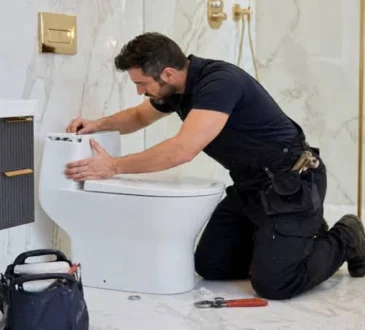
While many plumbing maintenance tasks are suitable for DIY, knowing when to call a professional plumber is crucial. Attempting complex repairs without the necessary expertise can lead to greater damage, higher costs, and even safety hazards.
How Often Should You Schedule Professional Inspections?
We recommend homeowners schedule a professional plumbing inspection at least once a year. For newer homes (under 10 years old) with no known issues, you might extend this to every two years. However, homes with older plumbing systems (e.g., galvanized pipes installed before 1980), private well water, or hard water should adhere strictly to annual inspections. A professional inspection typically costs between $150 and $300, a small price to pay compared to the potential cost of emergency repairs.
During a professional inspection, a licensed plumber will:
- Check for Hidden Leaks: Utilizing specialized tools like acoustic sensors or thermal imaging, they can detect leaks that are invisible to the naked eye, often behind walls or under floors.
- Inspect Water Heater: Beyond flushing, they’ll check the anode rod, TPR valve, heating elements, and overall condition of the unit.
- Assess Water Pressure: They’ll confirm your water pressure is within optimal range and recommend solutions like PRVs if it’s too high.
- Evaluate Drain and Sewer Lines: Through visual inspection and sometimes a camera inspection, they can identify potential blockages, tree root intrusion, or pipe damage in your main sewer line.
- Check Fixtures and Appliances: They’ll thoroughly inspect all faucets, toilets, and appliance connections for wear, leaks, or potential issues.
- Test Shutoff Valves: Ensuring all main and individual shutoff valves are functioning correctly.
When to Call a Professional Plumber
Beyond routine inspections, certain situations unequivocally call for a licensed professional:
- Gas Line Issues: Any work involving gas lines (e.g., water heater replacement, gas appliance installation) must be handled by a qualified professional due to significant safety risks.
- Main Water Line or Sewer Line Problems: Issues with these critical lines, such as persistent clogs, suspected breaks, or tree root intrusion, require specialized equipment and expertise. A professional can perform a camera inspection to accurately diagnose the problem and recommend appropriate repairs like snaking or hydro-jetting.
- Water Heater Installation or Major Repair: While flushing is DIY-friendly, installing a new water heater or performing complex repairs should be done by a professional to ensure proper sizing, connection, and code compliance.
- Backflow Preventer Testing: If your home has a backflow prevention device (common in homes with irrigation systems), it often requires annual testing by a certified professional to ensure it’s protecting your drinking water supply from contamination.
- Persistent Leaks or Low Water Pressure: If you’ve attempted DIY fixes for a leak or low water pressure without success, it’s time to call an expert. These could indicate more complex underlying issues.
- New Installations or Renovations: For any significant plumbing installations or changes during a renovation, hiring a professional ensures the work is done correctly and adheres to local building codes.
Choosing a reputable, experienced plumber is paramount. Look for professionals with strong local reputations and excellent customer service, offering comprehensive solutions for your home’s needs. For reliable, high-quality service, consider engaging a provider known for their commitment to excellence in 5-Star plumbing maintenance. Emergency plumbing calls, which can range from $300 to $400, are often avoidable with timely professional intervention and consistent maintenance.
Frequently Asked Questions about Plumbing Maintenance
Homeowners often have specific questions about maintaining their plumbing systems. Here, we address some of the most common concerns.
What are the most common signs of a hidden plumbing leak?
Hidden leaks can be insidious, causing significant damage before they become apparent. Key indicators to watch for include:
- Sudden Increase in Water Bill: A significant spike in your monthly water bill without a change in usage habits is a strong sign of a leak.
- Musty Odors: Persistent damp or musty smells, especially in areas like basements, under sinks, or near walls, can indicate hidden moisture and mold growth from a leak.
- Discoloration or Stains: Water stains, discoloration, or peeling paint on walls, ceilings, or floors are clear signs of a leak.
- Warm Spots on Floors: If you have a slab foundation, a warm spot on the floor could indicate a hot water line leak beneath.
- Running Water Meter: As mentioned earlier, turn off all water in your home and check your water meter. If it’s still moving, you have a leak.
- Food Coloring Dye Test for Toilets: To detect silent toilet leaks, add a few drops of food coloring to the toilet tank (not the bowl). Wait 15-30 minutes without flushing. If colored water appears in the bowl, your flapper valve is leaking and needs replacement.
How often should I schedule a professional plumbing inspection?
As discussed, an annual professional plumbing inspection is highly recommended for most homes, especially those over 10 years old. For newer construction, a biennial (every two years) inspection might suffice if no issues have arisen. However, certain factors necessitate more frequent checks:
- Older Homes: Properties with aging plumbing infrastructure (e.g., original galvanized pipes) benefit greatly from annual scrutiny to catch corrosion or wear before failure.
- Well Water Systems: Homes on well water often experience higher mineral content, which can lead to more rapid sediment buildup and corrosion, warranting annual inspections.
- Hard Water Regions: Similar to well water, hard municipal water contributes to scale buildup in pipes and appliances, making annual professional checks a wise investment.
Understanding when and why to schedule these professional visits is a cornerstone of effective home care, ensuring your system remains robust. A helpful guide on this topic is available at Routine plumbing maintenance every homeowner should do — and when to do it.
Why should I avoid chemical drain cleaners for maintenance?
While chemical drain cleaners offer a quick fix for clogs, they are generally detrimental to your plumbing system and the environment.
- Pipe Corrosion: The harsh chemicals (like lye or sulfuric acid) can corrode pipes, especially older ones made of PVC or cast iron, leading to leaks and premature pipe failure. This is particularly true if the cleaner sits in a stagnant clog for too long.
- Chemical Burns: These cleaners are highly caustic and can cause severe chemical burns to skin and eyes if they splash back during use.
- Environmental Impact: When flushed down the drain, these chemicals enter the wastewater system, potentially harming aquatic ecosystems and complicating water treatment processes.
- Ineffectiveness on Severe Clogs: For deep or stubborn clogs, chemical cleaners are often ineffective and can even solidify, making the clog harder for a plumber to remove.
Instead, we strongly advocate for safer, more effective alternatives:
- Enzyme-Based Cleaners: These biological cleaners use enzymes to break down organic matter in drains over time, without damaging pipes. They are excellent for preventative maintenance.
- Baking Soda and Vinegar Method: For minor clogs and regular maintenance, pour half a cup of baking soda down the drain, followed by half a cup of white vinegar. Let it fizz for 30 minutes, then flush with hot water. This natural solution helps break down grease and grime.
- Plunger or Drain Snake: For existing clogs, a plunger is often the first and most effective tool. For deeper blockages, a simple drain snake (auger) can clear the obstruction without chemicals.
For more essential tips on maintaining your plumbing without resorting to harsh chemicals, explore resources like Plumbing Maintenance #1 Tips Essential for Every Homeowner.
Conclusion
Embracing a proactive mindset towards plumbing maintenance is one of the most impactful decisions a homeowner can make. In May 2026, the data unequivocally demonstrates that a small, consistent investment in preventative care yields significant returns, protecting your home from the financial and structural devastation of water damage.
By diligently performing routine checks, understanding seasonal requirements, and knowing when to engage a professional, you’re not just fixing problems; you’re building a resilient, efficient, and long-lasting plumbing system. This approach translates into substantial long-term savings, reduced water bills, and the invaluable peace of mind that comes from knowing your home is well-protected. Make plumbing maintenance a priority, and enjoy the reliability and security it brings to your home for years to come.