Creating a Proactive Plan for Home Maintenance
The journey of homeownership is rewarding, but it comes with a commitment to ongoing care. As of June 2026, we’ve seen a significant rise in homeowner stress due to mandatory repairs, with nearly half (48%) reporting increased pressure since early 2025. Furthermore, an alarming 83% of homeowners encountered unexpected maintenance issues in 2024, a sharp increase from 46% in 2023. These statistics underscore a crucial point: a proactive maintenance plan isn’t just a good idea; it’s essential for protecting your investment and your peace of mind.
Creating an effective home maintenance checklist or calendar is the cornerstone of this proactive approach. We recommend developing a tiered system that includes monthly routines, seasonal transitions, and annual inspections. This ensures that no critical area is overlooked, from the smallest daily checks to the most comprehensive yearly assessments.
Monthly Routines: These tasks are typically quick and simple, focusing on immediate safety and operational checks. Think of them as your home’s vital signs. Regularly checking smoke and carbon monoxide detector batteries, inspecting for visible leaks under sinks, and cleaning garbage disposals fall into this category.
Seasonal Transitions: As the seasons change, so do your home’s needs. Spring often calls for preparing cooling systems and inspecting the exterior for winter damage, while fall demands attention to heating systems, gutter cleaning, and winterization efforts. These seasonal shifts are prime opportunities to address weather-related vulnerabilities.
Annual Inspections: Once a year, a more thorough review of major systems and structural components is warranted. This includes comprehensive roof inspections, water heater flushing, and professional HVAC tune-ups. These annual checks help identify potential issues before they escalate into costly emergencies.
Incorporating safety devices into your routine is non-negotiable. Smoke detectors and carbon monoxide alarms should be tested monthly, and their batteries replaced at least twice a year. Fire extinguishers need to be accessible and checked for proper charge. Additionally, testing Ground Fault Circuit Interrupter (GFCI) outlets monthly ensures they are functioning correctly to prevent electrical shocks in wet areas like kitchens and bathrooms.
To help visualize the balance between homeowner responsibilities and expert assistance, consider the following comparison of common tasks:
Task Category DIY Maintenance (Homeowner) Professional Service (Expert) HVAC Change air filters, clean vents, clear around outdoor unit Annual tune-ups, coil cleaning, refrigerant checks, major repairs Plumbing Check for leaks, plunge drains, clean faucet aerators Water heater flushing, pipe repairs, drain snaking, fixture installation Electrical Test GFCI outlets, check light bulbs Panel inspections, wiring repairs, new circuit installations Roofing Visual inspection from ground, clear minor debris Detailed inspections, shingle repair/replacement, flashing repair Gutters Clear leaves and debris, ensure proper drainage Deep cleaning, downspout repair, re-sloping Exterior Wash siding, clean windows, sweep walkways Power washing, exterior painting, siding repair Landscaping Mow lawn, trim shrubs, rake leaves, simple pest control Tree removal, complex drainage solutions, major pest eradication Safety Devices Test smoke/CO detectors, check fire extinguisher pressure Installation of new systems, complex alarm system maintenance This structured approach not only helps you stay on top of maintenance but also allows you to budget effectively. While budgeting 1% to 4% of a home’s value each year is a common guideline for overall maintenance, understanding which tasks you can handle and which require professional expertise can optimize your spending and ensure your home receives the specialized care it needs.
Optimizing Indoor Comfort and Efficiency
Your home’s indoor environment significantly impacts your family’s comfort, health, and energy bills. From the air you breathe to the water you use, maintaining key indoor systems is paramount for both immediate well-being and long-term property value. A well-maintained home is an energy-efficient home, translating directly into savings and a reduced environmental footprint. Proactive care of systems like HVAC, plumbing, and electrical components ensures their longevity and prevents costly breakdowns.
HVAC Systems and Indoor Home Maintenance
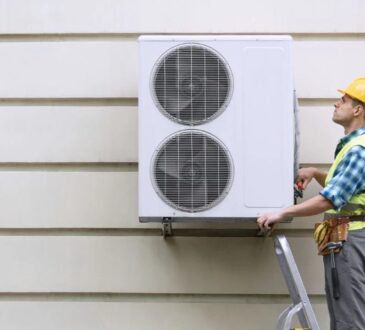
The heating, ventilation, and air conditioning (HVAC) system is the heart of your home’s indoor climate control. Its proper functioning is critical for indoor air quality, energy efficiency, and overall comfort. Regular maintenance of your HVAC system can extend its lifespan, improve performance, and significantly lower your energy consumption. In fact, a professionally serviced AC unit can use 5-15% less energy, making annual tune-ups a wise investment.
Key tasks for HVAC maintenance include:
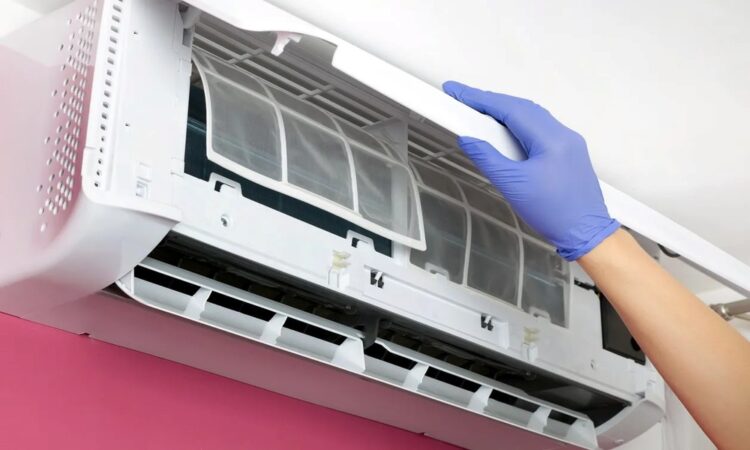
- Air Filters: We recommend checking air filters monthly and replacing them as needed. Factors like filter thickness, the presence of household pets, and overall indoor air quality can influence how frequently a filter needs changing. A dirty filter restricts airflow, forcing your system to work harder and consume more energy.
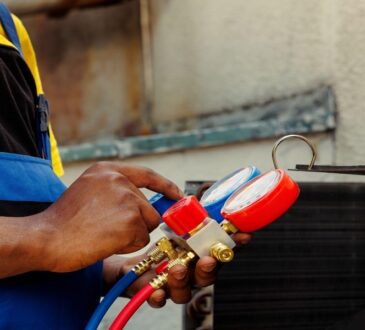
- Coil Cleaning: Over time, evaporator and condenser coils can accumulate dirt and debris, reducing their ability to absorb and release heat. Professional coil cleaning, typically part of an annual tune-up, ensures optimal heat transfer and efficiency.
- Condensate Drains: The condensate drain line removes moisture from your AC unit. If it becomes clogged, water can back up, potentially causing leaks, mold growth, and system damage. Regularly checking and clearing this line, especially during humid months, is essential.
- Thermostat Settings: Properly programmed thermostats can significantly reduce energy waste. We advise setting appropriate temperatures based on occupancy and seasonal needs, and considering smart thermostats for enhanced control and efficiency.
- System Lifespan: With consistent preventative care, your HVAC system can last longer, delaying the need for expensive replacements. For a deeper dive into maintaining your heating and cooling systems and understanding various professional services, explore different HVAC Maintenance Options to ensure your system runs efficiently year-round.
Plumbing and Electrical Safety Checks
Beyond HVAC, your home’s plumbing and electrical systems demand consistent attention to prevent hazards and maintain functionality.
Plumbing:
- Leak Detection: Even small, hidden leaks can lead to significant water damage, mold growth, and increased utility bills. We encourage homeowners to regularly check for visible leaks under sinks, around toilets, and near appliances. A simple way to detect hidden leaks is by monitoring your water meter when no water is being used in the home.
- Water Pressure: Maintaining optimal water pressure, typically between 45-60 psi, is important for the longevity of your plumbing fixtures and appliances. Excessively high pressure can stress pipes and connections.
- Water Heater Flushing: This is often cited as one of the most overlooked home maintenance tasks, yet it’s crucial. Sediment buildup is the number one cause of premature water heater failure. We recommend flushing your water heater annually to remove mineral deposits, which can improve efficiency and extend the unit’s lifespan.
Electrical:
- Electrical Panels: While most electrical work requires a licensed professional, homeowners can perform visual checks of their electrical panel for any signs of scorching, flickering, or unusual odors, which could indicate a serious issue.
- Outlet Testing: Regularly testing GFCI outlets, particularly in areas exposed to moisture like kitchens, bathrooms, and outdoor spaces, is vital. These outlets are designed to trip and cut power instantly if they detect a ground fault, preventing electrical shock.
By diligently performing these indoor maintenance tasks, we ensure our homes remain comfortable, safe, and energy-efficient, protecting our investment from the inside out.
Protecting Your Property from the Outside In

The exterior of your home acts as its primary shield against the elements, pests, and structural damage. Protecting this “exterior envelope” is paramount for maintaining your property’s integrity, curb appeal, and overall value. From the foundation to the roof, every component plays a role in weatherproofing and preventing costly issues. Neglecting outdoor maintenance can lead to a cascade of problems, from water infiltration and mold to pest infestations and compromised structural elements.
Landscaping and Outdoor Home Maintenance
Your home’s surroundings are more than just aesthetically pleasing; they are integral to its protection. Thoughtful landscaping and diligent outdoor maintenance contribute significantly to the health of your home’s foundation and overall exterior. For comprehensive resources on maintaining your property’s exterior, including landscaping tips, consider exploring guides on Outdoor Home Maintenance.
- Soil Grading and Drainage: Proper grading around your home ensures that rainwater flows away from the foundation, preventing pooling and potential water intrusion into your basement or crawl space. We recommend checking the slope of your landscape annually, especially after heavy rains.
- Gutter Cleaning: Clogged gutters are a leading cause of water damage, directing water to overflow and seep into your home’s foundation, walls, or even attic. We advise cleaning gutters at least twice a year, typically in spring and fall, or more frequently if you have many trees nearby.
- Tree Trimming: Overhanging branches can pose a risk to your roof, siding, and even power lines, especially during storms. Regular tree trimming, ensuring branches are kept several feet away from your home, helps prevent damage and reduces leaf debris in gutters.
- Lawn Care: A well-maintained lawn not only enhances curb appeal but also helps manage moisture around your home. Proper watering and aeration contribute to healthy soil, which can absorb water more effectively.
- Pest Prevention: Keeping shrubs and plants trimmed away from your home’s foundation and sealing any cracks or openings can deter pests from entering your property. Regular inspection of your yard for signs of pest activity is also a good practice.
Roof and Siding Integrity
The roof and siding are your home’s first line of defense against weather. Their integrity is crucial for preventing water damage and maintaining energy efficiency.
- Shingle Inspection: We recommend visually inspecting your roof from the ground with binoculars at least twice a year, and especially after severe weather events. Look for missing, cracked, or curled shingles, which can indicate vulnerabilities. Promptly addressing these minor issues can prevent much larger, more expensive problems down the line. Roof repair costs saw a significant increase of 28.47% year-over-year from Q1 2024 to Q1 2025, highlighting the financial impact of neglect.
- Skylights: If your home has skylights, ensure they are free of debris and check for any signs of leaks around their seals during your roof inspection.
- Siding Wash: Regularly washing your home’s siding helps remove dirt, grime, mold, and mildew, preserving its appearance and preventing deterioration. The frequency depends on your climate and surrounding environment.
- Caulking and Weatherstripping: Inspect the caulking around windows, doors, and utility penetrations, as well as weatherstripping around doors and windows, for cracks or gaps. Replacing worn-out caulk and weatherstripping improves your home’s energy efficiency by preventing drafts and moisture intrusion.
- Structural Damage: Be vigilant for any signs of structural damage, such as cracks in the foundation, bowing walls, or uneven floors. These can be indicators of more serious underlying issues that require immediate professional assessment.
By consistently tending to your home’s exterior and landscape, we not only protect its physical structure but also enhance its aesthetic appeal and long-term value, safeguarding it against both the elements and the passage of time.
Frequently Asked Questions About Home Upkeep
Home maintenance can often feel like a complex puzzle with many moving parts. We’ve compiled answers to some of the most common questions homeowners have about upkeep, drawing on insights that can save you time, money, and stress.
How often should HVAC filters be replaced?
The frequency of HVAC filter replacement is not a one-size-fits-all answer; it depends on several factors:
- Filter Thickness: Thicker filters (e.g., 4-inch or 5-inch) generally last longer than standard 1-inch filters.
- Household Pets: Homes with pets tend to accumulate more dander and hair, requiring more frequent filter changes, often monthly.
- Indoor Air Quality: If your home is prone to dust, has construction nearby, or you have family members with allergies, you may need to change filters more often to maintain good indoor air quality.
- Airflow Restriction: A dirty filter restricts airflow, making your system work harder and less efficiently. We recommend checking your filter monthly and replacing it when it appears dirty, typically every 1-3 months for most homes. A serviced AC system, with clean filters, can operate 5-15% more efficiently.
What are the most overlooked home upkeep tasks?
While some tasks are obvious, others often slip under the radar, leading to significant problems if neglected. Here are some of the most commonly overlooked home maintenance tasks we’ve identified:
- Water Heater Flushing: As previously mentioned, sediment buildup is the leading cause of premature water heater failure. Despite its importance for extending the unit’s lifespan and maintaining efficiency, flushing the water heater annually is a task many homeowners forget.
- Dryer Vent Cleaning: Lint buildup in dryer vents is not only a fire hazard (it’s a leading cause of dryer fires) but also reduces dryer efficiency. We advise cleaning the dryer vent ductwork annually, and the lint trap after every load.
- Refrigerator Coil Vacuuming: The coils on the back or underneath your refrigerator can accumulate dust and pet hair, making the appliance work harder to cool. This increases energy consumption, and can even shorten the refrigerator’s life. Vacuuming these coils annually can save energy and extend the appliance’s life.
- Sump Pump Testing: If your home has a sump pump, it’s crucial for preventing basement flooding. We recommend testing it at least twice a year, especially before rainy seasons, by pouring water into the pit to ensure it activates and drains properly.
How does deferred maintenance affect home value?
Deferred maintenance, which is the postponement of maintenance activities, can have a profound and negative impact on your home’s value and overall health.
- Property Depreciation: Over time, neglected repairs and upkeep lead to visible wear and tear, making your home less attractive to potential buyers and reducing its market value. Small issues, like a leaky faucet or a missing shingle, can quickly escalate into major problems if ignored.
- Insurance Coverage: Homeowners insurance policies typically do not cover damage resulting from neglect or deferred maintenance. For example, if you notice missing roof shingles but fail to address them, and a subsequent leak causes interior damage, your insurer may deny the claim. This leaves you responsible for the full cost of repairs.
- Emergency Repairs: Postponing maintenance often means that minor issues eventually become critical failures, leading to expensive emergency repairs. These unexpected costs can be far greater than the expense of routine preventative maintenance.
- Structural Integrity: Long-term neglect, particularly concerning water intrusion from faulty roofs or drainage, can compromise your home’s structural integrity, leading to issues like foundation cracks, wood rot, and mold infestations, which are incredibly costly and complex to fix.
By staying on top of these often-missed tasks and understanding the consequences of neglect, we can better protect our homes as valuable assets.
Conclusion
The journey of homeownership is continuous, marked by cycles of care and attention. By embracing proactive habits, particularly in critical areas like HVAC systems and landscape care, we not only safeguard our most significant investment but also cultivate a living space that is comfortable, efficient, and safe. The statistics are clear: neglecting maintenance leads to increased stress and unexpected financial burdens. However, with a well-structured plan, regular checks, and a clear understanding of when to call in the professionals, we can mitigate these risks.
Prioritizing preventative maintenance, from changing air filters and flushing water heaters to cleaning gutters and inspecting roofs, ensures the longevity of our home’s systems and structure. It protects against costly repairs, extends the life of our property, and preserves its value for years to come. A commitment to home maintenance offers more than just property protection; it provides invaluable peace of mind, knowing that our sanctuary is well-cared for and ready to weather any season.