A plumbing system rarely fails without warning. Long before a pipe bursts or a drain backs up, there are usually subtle clues that something isn’t working as it should. Unfortunately, many homeowners dismiss these early signs as normal wear and tear or temporary inconveniences. A dripping faucet gets ignored, water pressure seems “good enough”, or a slow drain becomes part of the daily routine.
The problem is that plumbing issues often become more expensive and disruptive the longer they go unnoticed. What starts as a small leak can lead to water damage behind walls. A recurring clog may point to a deteriorating sewer line. Even changes in water quality can signal aging pipes or hidden corrosion.
Recognizing these warning signs early allows homeowners to address the underlying problem before it develops into a larger repair. In many cases, timely services such as leak detection, drain cleaning, pipe repair, sewer line repair, or plumbing inspections can identify the source of the issue and help protect the home’s plumbing system.
Below are seven plumbing warning signs every homeowner should pay attention to-and why they deserve more than a temporary fix.
Why Small Plumbing Problems Shouldn’t Be Ignored
Modern plumbing systems are designed to last for decades, but no system is completely maintenance-free. Pipes, valves, fixtures, and drains experience constant use, and over time, normal wear can gradually develop into larger concerns.
Ignoring early symptoms doesn’t simply increase repair costs. It can also affect water efficiency, indoor air quality, structural materials, and even daily comfort. A minor leak hidden beneath a floor or inside a wall may continue causing damage long before it becomes visible.
According to experienced plumbers, homeowners who investigate plumbing concerns early often avoid the extensive repairs that result from prolonged water exposure or neglected pipe deterioration.
Rather than waiting for an emergency, understanding what these warning signs mean can help homeowners make informed decisions about maintaining one of the most important systems in the house.
1. Water Pressure Suddenly Feels Lower
Few things are as noticeable as turning on a faucet and finding only a weak stream of water. While low water pressure can sometimes be caused by a clogged aerator or municipal maintenance, a persistent drop throughout the home often points to a larger plumbing issue.
What could be causing it?
Several problems may contribute to declining water pressure, including:
- Hidden leaks in water supply pipes
- Mineral buildup inside older plumbing
- Corroded galvanized pipes
- Faulty pressure regulators
- Partially closed shutoff valves
- Damaged water service lines
If only one faucet is affected, the issue may be isolated to that fixture. However, when showers, sinks, and outdoor faucets all experience reduced pressure, it’s worth having the plumbing system evaluated.
Professional pipe repair or water line repair may be necessary if aging or damaged supply lines are restricting water flow. In older homes, repiping may also be recommended when corrosion has significantly reduced the interior diameter of the pipes.
2. Your Drains Keep Slowing Down
A slow drain is one of the most commonly overlooked plumbing problems. Many homeowners assume it’s simply hair in the shower drain or grease in the kitchen sink. While that’s sometimes true, recurring slow drainage often indicates that buildup or damage exists deeper within the plumbing system.
Signs the problem is becoming more serious
Pay attention if you notice:
- Multiple drains slowing at the same time
- Water backing up into another fixture
- Gurgling sounds after draining
- Frequent need for plunging
- Odors coming from drains
These symptoms may suggest partial blockages inside branch drains or the home’s main sewer line.
Routine drain cleaning can remove accumulated grease, soap residue, mineral deposits, and debris before they create complete blockages. However, if clogs repeatedly return, a camera inspection may reveal tree root intrusion, pipe deterioration, or other structural problems that require sewer line repair rather than repeated cleaning.
3. Your Water Bill Increases Without Explanation
Most homeowners expect utility bills to fluctuate slightly throughout the year. However, a noticeable increase in water usage without changes in daily habits often deserves closer attention.
Even small plumbing leaks can waste surprising amounts of water over time. Because many leaks occur behind walls, beneath concrete slabs, or underground, homeowners may never see standing water.
Hidden leaks can occur in:
- Water supply lines
- Toilet fill valves
- Irrigation systems
- Underground piping
- Pipe joints
- Water heaters
One practical habit is comparing monthly water bills over time. If consumption steadily rises despite consistent household routines, hidden water loss could be occurring somewhere within the plumbing system.
According to plumbers at Oasis Plumbing, unexplained increases in water usage are often one of the earliest indicators of concealed leaks. Professional leak detection equipment can frequently locate these problems before they cause visible structural damage.
4. Strange Noises Are Coming From Your Pipes
Your plumbing system shouldn’t constantly make noise. While occasional sounds are normal, repeated banging, whistling, humming, or gurgling often indicate that something requires attention.
Common plumbing sounds and what they may mean
Banging or knocking
Often called a water hammer, this occurs when fast-moving water suddenly stops, creating pressure shockwaves inside the pipes.
Whistling faucets
This may result from worn valves, excessive pressure, or partially blocked fixtures.
Gurgling drains
Air trapped inside the drainage system may indicate venting problems or developing clogs.
Vibrating pipes
Loose pipe supports or fluctuating pressure can cause pipes to shake against framing members.
While these sounds don’t always indicate an emergency, they should not become a permanent part of the home’s background noise. A plumbing inspection can help determine whether pressure adjustments, pipe repairs, or drainage improvements are needed before additional damage develops.
5. Water Stains or Musty Odors Start Appearing
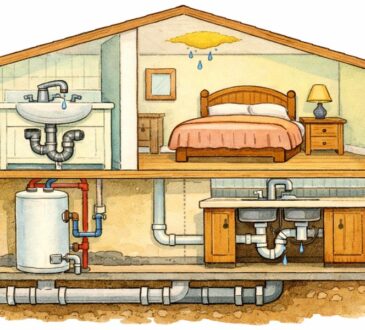
Visible water damage rarely appears immediately after a leak begins. In many cases, moisture slowly accumulates behind drywall, beneath flooring, or above ceilings before homeowners notice anything unusual.
Some of the earliest warning signs include:
- Brown or yellow ceiling stains
- Bubbling paint
- Soft drywall
- Warped wood flooring
- Peeling wallpaper
- Persistent musty smells
These conditions often indicate that water has been escaping for weeks-or even months.
Beyond structural damage, prolonged moisture creates ideal conditions for mold growth, which can affect indoor air quality and require additional remediation.
Leak detection services help identify concealed plumbing leaks without unnecessarily opening large sections of walls or flooring. Modern diagnostic equipment allows plumbers to pinpoint moisture sources more accurately than traditional trial-and-error methods.
6. Your Water Looks Rusty or Discolored
Water coming from household fixtures should generally appear clear. If it develops a brown, yellow, or reddish tint, the plumbing system may be signaling an underlying issue.
Possible causes include:
- Aging galvanized steel pipes
- Corrosion inside plumbing lines
- Sediment accumulation
- Water heater tank deterioration
- Disturbances in the municipal water supply
One helpful clue is determining whether discoloration affects only hot water or both hot and cold water.
If only hot water appears rusty, the water heater may require inspection. If both supplies are affected, the issue may involve the home’s plumbing system itself.
Industry professionals explain that persistent discoloration should never be dismissed simply because the water eventually clears. Corrosion inside older pipes often progresses gradually, affecting both water quality and flow over time.
Depending on the condition of the plumbing system, homeowners may benefit from pipe replacement, repiping, or water quality testing to determine the most appropriate long-term solution.
7. The Same Plumbing Problems Keep Coming Back
Perhaps the biggest warning sign isn’t a single plumbing issue-it’s having the same issue over and over again.
Many homeowners become accustomed to recurring inconveniences, such as:
- Frequently clogged toilets
- Repeated drain backups
- Ongoing pipe leaks
- Constant faucet repairs
- Sewer odors that come and go
- Water pressure that fluctuates regularly
While each individual repair may seem relatively minor, repeated problems often share a common underlying cause.
For example, recurring drain clogs may point to pipe misalignment or tree roots inside the sewer line. Repeated pipe leaks can indicate aging plumbing materials nearing the end of their service life. Persistent fixture issues may result from excessive water pressure affecting the entire system.
Instead of repeatedly addressing symptoms, a comprehensive plumbing inspection can evaluate the system as a whole and identify whether repairs, sewer line work, or repiping would provide a more lasting solution.
Older Homes Often Require Closer Plumbing Attention
Not every older home experiences plumbing problems, but age naturally increases the likelihood of wear within the system.
Homes built several decades ago may still contain materials such as galvanized steel, aging copper, or cast iron piping. While these materials served homeowners well for many years, they gradually deteriorated through corrosion, mineral buildup, and everyday use.
Warning signs may develop slowly enough that homeowners adapt without realizing conditions have changed.
Examples include:
- Gradually declining water pressure
- More frequent fixture repairs
- Increasing drain maintenance
- Water discoloration
- Small leaks appearing in different locations
Routine plumbing inspections become especially valuable in older properties because they can identify developing issues before emergency repairs become necessary.
Modern Plumbing Technology Makes Early Diagnosis Easier
Today’s plumbing professionals have access to diagnostic tools that make identifying hidden issues far more accurate than in the past.
Rather than relying solely on visible symptoms, plumbers may use technologies such as:
- Video camera pipe inspections
- Electronic leak detection
- Moisture meters
- Pressure testing
- Acoustic listening equipment
- Thermal imaging in certain situations
These tools help determine the exact cause of many plumbing problems while minimizing unnecessary disruption to the home.
As a result, homeowners often receive more precise recommendations based on the condition of the plumbing system rather than guesswork.
Preventive Maintenance Is Still the Best Defense
Although plumbing systems inevitably age, many major repairs can be delayed-or even prevented-through regular maintenance and attention to small changes.
Simple habits include:
- Monitoring monthly water bills for unusual increases
- Paying attention to changes in water pressure
- Addressing slow drains before complete blockages occur
- Looking for moisture around exposed pipes
- Watching for discoloration in water
- Scheduling periodic plumbing inspections, particularly in older homes
These practices help homeowners recognize developing issues while repairs are still relatively straightforward.
Many plumbing experts recommend viewing the home’s plumbing system as preventative infrastructure rather than something that only deserves attention when an emergency occurs.
Final Thoughts
Plumbing problems seldom appear without warning. More often, they begin with subtle signs that gradually become easier to notice-and more expensive to ignore. Lower water pressure, recurring slow drains, unexplained increases in water bills, unusual pipe noises, water stains, discolored water, and repetitive plumbing issues all provide valuable clues that something may be changing within the system.
Recognizing these warning signs early allows homeowners to address the underlying cause rather than repeatedly managing the symptoms. Whether the solution involves leak detection, drain cleaning, pipe repair, sewer line repair, repiping, or a thorough plumbing inspection, identifying problems before they escalate can help protect the home’s structure, improve water efficiency, and extend the life of the plumbing system.
Ultimately, staying attentive to small plumbing changes is one of the simplest ways homeowners can avoid larger repairs and maintain a safe, dependable home for years to come.