Rats in a loft create serious problems. They damage insulation, chew wiring, contaminate stored items, and spread disease. Action must be swift and thorough. Half measures fail. A clear plan delivers results.
Signs of Rats in the Loft
Rats rarely stay hidden for long. You may hear scratching, scurrying, or gnawing sounds, often at night. Droppings appear along beams or near insulation. A strong ammonia-like smell signals urine build-up. Torn insulation, chewed wood, and damaged cables confirm activity. Act immediately when these signs appear. Delay allows breeding to spiral.
Find and Block Entry Points
Rats access lofts through small gaps. They squeeze through holes as narrow as 20mm. Inspect the roofline, soffits, vents, and brickwork. Check broken tiles and loose flashing. Seal gaps with galvanised mesh, cement, or steel wool. Plastic fillers fail. Rats chew through them. Fit mesh covers over air vents. Secure loft hatches tightly. Entry control stops reinfestation.
Remove Food Sources
Rats stay where food exists. Clear stored pet food, bird seed, and household items. Use containers made of thick plastic or metal with tight-fitting lids. Clean spills and dust regularly. Avoid leaving rubbish bags near loft access points. Outside matters too. Secure bins. Clear fallen fruit. Feed birds sparingly. Less food means fewer attractions.
Traps That Work
Traps deliver fast results when placed correctly. Use snap traps for quick kills. Position them along run routes, close to walls and beams. Rats avoid open spaces. Bait traps with peanut butter, dried fruit, or chocolate spread. Wear gloves. Human scent reduces success. Check traps daily. Remove carcasses promptly. Reset until activity stops. Avoid glue boards. They cause suffering and raise welfare issues. Many councils advise against them.
Rodenticides and Safety
Poison works but carries risk. Secondary poisoning harms pets and wildlife. Rats often die inside walls, causing smell problems. Only use approved rodenticides and follow label guidance strictly. Keep baits inside secure bait stations. Never scatter loose poison. For many homes, traps offer better control.
Clean and Disinfect the Loft
Once rats go, cleaning matters. Droppings carry bacteria and parasites. Wear gloves, a mask, and protective clothing. Do not sweep dry droppings. Spray with disinfectant first. Use sealed bags for waste. Replace heavily soiled insulation. Disinfect beams and surfaces. Proper cleaning removes scent trails that attract new rats.
Long-Term Prevention
Prevention keeps the loft rat-free. Inspect the roof twice a year. Repair damage fast. Keep trees and ivy trimmed away from walls. Store items neatly. Avoid clutter. Fit metal guards around pipes and cables. A clean, sealed loft discourages return visits.
When to Call Professionals
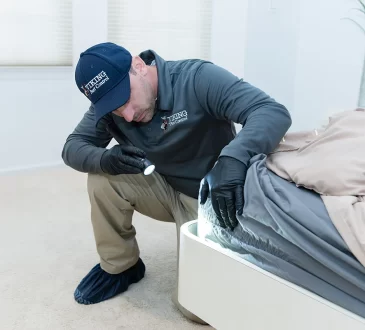
Large infestations demand expert action. Professionals locate nests, track movement, and apply safe control methods. They also provide proofing advice tailored to your property. This approach saves time and reduces risk. Use a trusted local service specialising in pest control to ensure full removal and lasting protection.
Final Word
Rats in the loft never fix themselves. Clear signs call for clear action. Block entry points. Remove food. Use effective traps. Clean thoroughly. Maintain the space. A firm approach restores safety, protects your home, and keeps rats out for good.