The Ultimate Guide On Septic Tank Pumping Providing Longevity And Efficiency

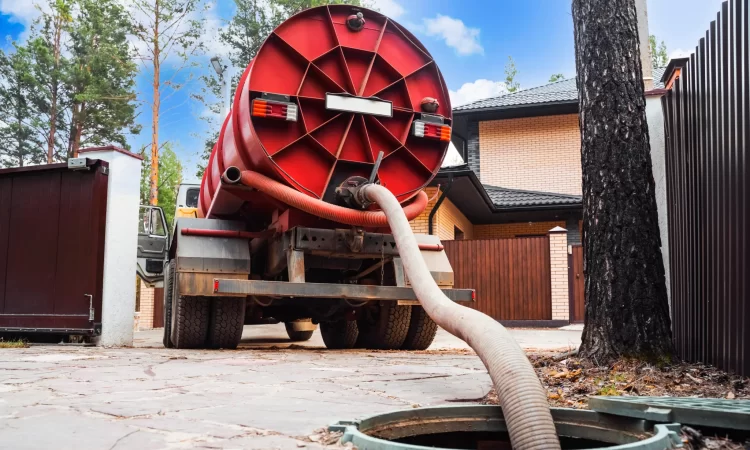
Neglecting a septic system repair can cause big trouble and loss. It can lead to household plumbing issues and environmental hazards. Septic tank pumping plays a key role in keeping your system functional and managing household water waste. If you avoid regular maintenance, it can create serious problems.
You can care for your septic tank by septic tank pumping, the process of eliminating the build-up sludge and scum to keep it functional properly. Regular pumping helps prevent backups, lengthens lifespan and protects groundwater from contamination.
Many homeowners neglect septic care until an issue occurs, but procrastination can lead to costly damage, foul smells, and possible health hazards. Maintaining the best possible condition of your septic tank requires knowing when and how often to pump it. You can also save time, money, and frustration by knowing the warning signals of a full tank and how to maintain it properly.
In this guide, you’ll find everything you need to know about septic tank pumping, including:
- Why septic tanks are important.
- How often it should be repaired
- Red flags that show your tank needs pumping
- The best ways to maintain a septic system
What is a Septic Tank Pumping and Why is It Crucial?
It is an unsung hero that works behind the scenes. It manages household wastewater efficiently until neglect can cause huge costly issues. Pumping your septic tank is an essential maintenance procedure that maintains your system functioning properly and safeguards against backups, overflows, and environmental risks.
Over time, solid waste, grease, and sludge build-up in the tank. These materials have the potential to clog pipes, lower system efficiency, and even cause sewage backups within your house if they are not removed. Furthermore, wastewater from an overflowing septic tank may seep into the nearby soil, contaminating groundwater and endangering the health of your family and the neighbourhood.
Professional septic services ensure the tank doesn’t overflow by using specialised Hoover trucks to remove garbage. Regular pumping keeps your home plumbing in good working order, helps avoid expensive damage, and safeguards the environment.
Read more about the significance of septic tank cleaning with this comprehensive guide:
Why Do You Need Regular Septic Tank Pumping?
- Save Expensive Repairs: Prevent backups, clogged drains and system failures.
- Increase Longevity: The lifespan of a well-managed septic system is 20–40 years.
- Safeguard Health & Environment: Stops groundwater contamination by wastewater.
- Preserves Efficiency: Minimises the possibility of unexpected issues and ensures seamless operation.
Homeowners can avoid costly emergencies and maintain the best possible condition of their septic systems for many years by scheduling routine septic tank pumping. Depending on the size of your home and how much water you consume, experts advise having your tank pumped every three to five years. Maintaining your system regularly might save you thousands of dollars on future problems.
How Often Should Your Septic Tank Be Pumped?
Regular pumping of the septic tank is necessary to avoid backups, system failure, and expensive repairs. Tank capacity, water consumption, and home size are some of the variables that affect the frequency. Solid waste can build up in the tank if it isn’t pumped on time, which could cause clogs, unpleasant smells, and even groundwater contamination. An effective septic system lowers the possibility of unplanned breakdowns and costly emergency services.
Affecting Pumping Frequency Factors
- Use of Garbage Disposal: Increases the buildup of solid waste, necessitating more frequent pumping.
- High Water Use: Using more water causes the septic tank to fill up more quickly.
- Older Septic Systems: Tanks that are getting older can require more frequent maintenance and inspections.
- Excessive Rain & Flooding: The excess water can flood the drain field, which will prevent the absorption of wastewater.