Understanding Fixture Lifespan
Bathroom fixtures are essential components of daily life, yet many homeowners rarely consider how long they last until issues arise. Each fixture—whether a sink, faucet, toilet, or shower—has its own expected lifespan depending on the material, frequency of use, and quality of installation. Knowing these averages helps in planning for replacements, budgeting maintenance, and ensuring that your bathroom remains both functional and visually appealing.
Faucets and Showerheads
Faucets and showerheads are among the most frequently used fixtures in any bathroom. On average, well-maintained faucets can last 15 to 20 years. Hard water buildup, mineral deposits, and constant use can shorten this lifespan if not addressed. Showerheads, by comparison, tend to last 10 to 15 years, though regular cleaning can extend their usability. Upgrading to modern, water-saving models not only improves efficiency but can also enhance bathroom aesthetics and hygiene.
Toilets and Bidets
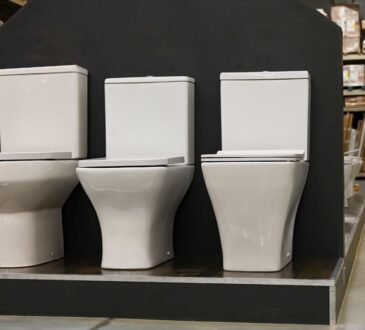
Toilets are built for longevity. A standard toilet can last 25 to 50 years, although parts such as flappers, fill valves, and flush handles may need replacement every few years. Bidets, whether standalone or integrated into toilets, generally last 15 to 20 years depending on the quality of their plumbing components. Regular inspections can help catch leaks early, preserving both the fixture and surrounding flooring.
Bathtubs and Showers
Bathtubs and shower enclosures are more permanent fixtures. Cast iron tubs, with proper care, can last a century or more, while acrylic or fiberglass tubs generally last 10 to 15 years before showing signs of wear such as cracks or staining. Shower enclosures, particularly those with glass doors, typically have a lifespan of 20 to 30 years, though seals and tracks may require more frequent attention.
Sinks and Vanities
Bathroom sinks made from porcelain or vitreous china usually last 20 to 30 years, provided they are not subjected to cracks or chips. Stone sinks, such as granite or marble, can last even longer but may require periodic resealing to prevent damage. Vanities, which combine sinks with cabinetry, often need replacement after 15 to 20 years, largely due to exposure to moisture and shifting design trends.
Mirrors and Medicine Cabinets
While mirrors don’t have a strict expiration date, their reflective coating can deteriorate over time, leading to discoloration or “black spots.” Expect a high-quality bathroom mirror to last 15 to 20 years. Medicine cabinets, especially those exposed to steam, may also show signs of warping or rust over a similar period. Replacing them not only restores functionality but can also modernize the space.
How Quality Impacts Longevity
The quality of installation and materials plays a major role in how long fixtures last. Premium options, such as Evos Boutiques bathroom fixtures, often outlast budget alternatives because of superior craftsmanship and durable finishes. Investing in quality may involve higher upfront costs but usually pays off in reduced maintenance and longer replacement cycles.
Tips for Extending Fixture Lifespan
- Regular cleaning prevents buildup of minerals and soap scum.
- Prompt repairs keep small leaks from turning into costly water damage.
- Use of water softeners can extend the life of faucets and showerheads in areas with hard water.
- Proper ventilation helps prevent mold and mildew that can damage cabinets and mirrors.
Conclusion
The average lifespan of common bathroom fixtures varies widely, from a decade for some shower components to nearly half a century for toilets. Choosing high-quality materials, maintaining them consistently, and addressing small issues early can significantly extend their usability. With thoughtful care, your bathroom can remain both functional and beautiful for decades to come.