Black Mold in Buckhead Homes: How to Spot It, What It Does to Your Health, and How to Get Rid of It

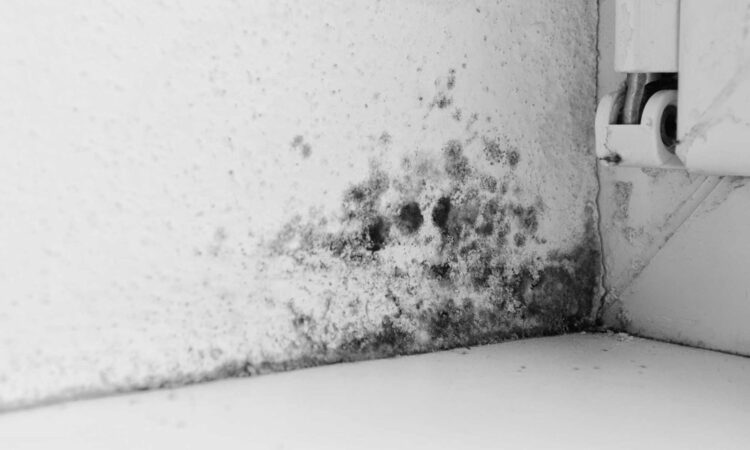
“Black mold” is the common name for Stachybotrys chartarum, a specific species that grows in areas with prolonged moisture exposure. It’s darker and slimier than the typical gray or green mold you might find on a bathroom grout line – and it’s significantly more dangerous.
What makes it different is the mycotoxins it produces. These are toxic compounds that become airborne along with mold spores and can cause serious health effects with prolonged exposure. Unlike common surface molds that can be wiped away with a cleaner, black mold has typically been feeding on a material for weeks or months by the time it becomes visible.
If you’re seeing it, the problem is already deeper than what you can see.
Why Buckhead Homes Are at Higher Risk
Several factors specific to Buckhead and the surrounding area create conditions where black mold thrives:
- Older housing stock – many Buckhead homes were built in the 1940s through 1970s, before modern moisture barriers and vapor-resistant building materials became standard
- Heavy tree coverage – beautiful, but it reduces sunlight on roofs and siding, keeping surfaces damp longer after rain
- Peachtree Creek flooding – homes near the creek corridor have experienced repeated flood events, and water that enters a structure even once can trigger mold growth within 48 hours
- Renovation projects – opening walls in older homes frequently reveals hidden mold that’s been growing undisturbed for years
- HVAC systems in humid climates – Atlanta’s summers push moisture through ductwork, and poorly maintained systems become mold distribution networks
Health Symptoms You Shouldn’t Dismiss
Black mold exposure doesn’t always announce itself dramatically. Symptoms often mimic seasonal allergies or general fatigue, which is why many homeowners live with it for months before connecting the dots:
- Persistent coughing or wheezing that doesn’t respond to allergy medication
- Chronic sinus congestion and headaches, especially in the morning
- Skin irritation or rashes without an obvious cause
- Eye redness and irritation indoors
- Fatigue and brain fog that improves when you spend time away from home
- In severe cases: nausea, nosebleeds, and respiratory infections
Children, elderly residents, and anyone with asthma or a compromised immune system experience these effects more severely and more quickly than healthy adults.
How to Tell If You Have Black Mold
Visual confirmation isn’t always possible – black mold often grows inside walls, under flooring, and above ceiling tiles. But there are reliable indicators:
- A persistent earthy or musty odor that doesn’t go away after cleaning
- Dark staining on drywall, especially in corners, near windows, or under sinks
- Bubbling or peeling paint – a sign of moisture behind the wall
- Water stains with a black or greenish ring rather than just a yellow-brown watermark
- Recent water damage history – even a single plumbing leak or roof leak that wasn’t professionally dried creates ideal conditions
When in doubt, don’t touch it. Disturbing black mold without proper containment releases spores into the air and spreads the problem.
Why DIY Removal Makes Things Worse
YouTube tutorials make black mold removal look manageable. It isn’t – at least not for anything beyond a tiny, isolated surface spot. Here’s why:
Bleach does not kill black mold on porous surfaces like drywall or wood. It removes the color, making the area look clean, while the mold root structure (hyphae) remains intact and continues growing. Within weeks, the mold returns, often darker and more widespread.
More critically, scrubbing mold without containment sends thousands of spores airborne. Those spores settle in new areas of your home – inside HVAC vents, on furniture, in other rooms – and start new colonies. A localized problem becomes a whole-house problem.
What Professional Black Mold Removal Looks Like
Certified black mold removal Buckhead Atlanta professionals follow protocols that DIY approaches simply can’t replicate:
- Assessment and air quality testing – establishes the scope of contamination and identifies hidden growth
- Full containment with negative air pressure – seals off the work area so spores can’t migrate during removal
- PPE and safe removal – contaminated drywall, insulation, or wood is removed and double-bagged before leaving the structure
- HEPA air scrubbing – runs continuously throughout the job to capture airborne spores
- Antimicrobial treatment – EPA-registered products are applied to all affected and surrounding surfaces
- Moisture source repair – the leak, condensation issue, or ventilation problem that allowed mold to grow is identified and corrected
- Clearance testing – independent air sampling confirms the space is safe before the containment is removed
Skipping step six is the most common reason mold comes back after remediation.
Protecting Your Buckhead Home Going Forward
Once remediation is complete, keeping black mold from returning comes down to moisture control:
- Maintain indoor humidity between 30-50% – a whole-home dehumidifier is worth the investment in Atlanta’s climate
- Inspect your roof, gutters, and flashing every year before storm season
- Address any plumbing leak within 24-48 hours – that’s all the time mold needs to establish
- Make sure bathroom and kitchen exhaust fans actually vent outside, not into the attic
- If renovating, test for mold before opening walls – especially in pre-1980 construction
Buckhead’s real estate market is competitive, and a mold disclosure can derail a sale or drop your asking price significantly. Staying ahead of the problem isn’t just about health – it’s about protecting your investment.