The Intersection of Indoor Air Quality and Electrical Safety
The intricate relationship between our home’s electrical systems and the air we breathe indoors is more profound than many realize. Every hum of an appliance, every flicker of a light, and every cycle of our HVAC system is powered by electricity, directly influencing our indoor environment. These systems are not merely conveniences; they are critical components in maintaining healthy indoor air quality (IAQ). Ventilation fans, for instance, actively remove stale air and pollutants, while filtration systems, often integrated into our HVAC units, capture airborne particles. Humidity control, essential for preventing mold and mitigating respiratory issues, relies on electrically powered dehumidifiers or whole-home humidifiers.
Investing in energy-efficient upgrades for our electrical and HVAC systems can lead to significant improvements in IAQ. For residents in Ohio, where seasonal climate changes can dramatically impact indoor conditions, optimizing these systems is paramount. From humid summers that encourage mold growth to dry winters that exacerbate respiratory discomfort, our electrically powered environmental controls work tirelessly. Understanding how these electrical components power air purification and climate control is the first step toward a healthier home.
How Electrical Appliances Impact Indoor Air Quality and Electrical Safety
Many common household electrical appliances play a dual role: they provide comfort and functionality, but if not properly maintained or used, they can also significantly impact indoor air quality and electrical safety.
- Space Heaters: While offering supplemental warmth, especially during colder months, space heaters can deplete oxygen, and if combustion-based, pose carbon monoxide risks. Electric models, while not emitting CO, can burn dust particles, releasing unpleasant odors and irritating airborne particulate matter. They are also a primary cause of winter electrical hazards, leading to overheating wires and fire risks.
- Air Conditioners: Essential for cooling and dehumidifying, AC units filter airborne particles. However, if not regularly cleaned, their coils can become breeding grounds for mold and bacteria, which are then circulated throughout the home. Oversized units may cool too quickly without adequately removing humidity, leading to moisture issues.
- Dehumidifiers: These appliances are crucial for controlling excess moisture, preventing mold and mildew growth. Yet, their water reservoirs must be cleaned frequently to avoid becoming sources of bacteria and unpleasant odors.
- Whole-Home Humidifiers: Integrated into HVAC systems, these units add moisture to dry winter air, alleviating health issues related to low humidity. Proper maintenance, including regular cleaning and filter replacement, is vital to prevent the dispersal of mineral dust or biological contaminants.
The interplay between indoor air quality and electrical safety is evident here: a poorly maintained electrical appliance can become a source of pollutants, while an overloaded circuit powering a critical IAQ device could lead to a safety hazard.
Integrating Indoor Air Quality and Electrical Safety Solutions
A holistic approach to home comfort and safety recognizes the synergy between IAQ and electrical systems. Modern solutions like smart thermostats not only optimize energy usage but can also integrate with whole-home air purification and humidity control systems, ensuring optimal conditions. Dedicated air purifiers, often electrically powered, use advanced filtration to remove allergens, pathogens, and odors.
By focusing on professional inspections for both electrical systems and HVAC, homeowners can identify potential issues before they escalate. Energy-efficient appliances and home automation systems contribute to both aspects: reducing electrical load and consumption while often providing better environmental control. This integration ensures that our efforts to improve indoor air quality are supported by a safe and reliable electrical foundation, safeguarding our homes and families as of April 2026.
Winter Heating Hazards: Space Heaters and Circuit Safety
As winter approaches and temperatures drop, many of us reach for space heaters to supplement our home’s heating system. While they offer immediate warmth, these powerful appliances are one of the most common causes of winter electrical hazards. The high wattage required by space heaters can easily overload circuits, especially in older homes, leading to a cascade of dangerous issues.
Plugging a space heater into a power strip or extension cord is a common mistake that significantly increases risk. These accessories are often not designed to handle the continuous, high electrical load of a space heater, leading to overheating wires, melted insulation, and potentially fire. We’ve seen instances where overloaded circuits result in tripped breakers, scorched outlets, and even house fires. The U.S. Consumer Product Safety Commission (CPSC) reports that portable electric heaters are involved in about 1,700 fires annually, resulting in numerous deaths and injuries. For comprehensive guidance on maintaining a safe electrical system, especially when dealing with high-demand appliances, exploring resources on Buckeye electrical safety can provide invaluable insights.
Consider the difference between using portable space heaters and relying on an integrated HVAC heating system.
- Portable Space Heaters: Offer localized heating, are inexpensive to purchase, and provide quick warmth. However, they pose significant electrical fire risks, can dry out indoor air, and are less energy-efficient for whole-room heating. They also require careful placement away from flammable materials and should never be left unattended.
- Integrated HVAC Heating: Provides consistent, whole-home warmth, often with better humidity control and air filtration. While more expensive to install initially, it’s generally safer and more energy-efficient in the long run. It also doesn’t introduce the same direct electrical overload risks as multiple portable units.
In colder climates like Cleveland, where winter comfort is paramount, understanding these hazards is crucial. Over-reliance on space heaters can not only strain your electrical system but also contribute to drier indoor air, which can irritate respiratory passages and increase static electricity. Balancing the need for warmth with electrical safety and indoor air quality is key to a healthy winter.
HVAC Maintenance: Air Ducts and Electrical Efficiency
The HVAC system is the lungs of your home, constantly circulating air to maintain comfort and regulate temperature. However, its efficiency and impact on indoor air quality are heavily dependent on proper maintenance, which includes the electrical components that power it. Neglecting your HVAC system can lead to a significant degradation of indoor air quality.
Poor maintenance often begins with dirty air filters, which can no longer effectively trap dust, pollen, pet dander, and other airborne pollutants. When filters are clogged, the blower motor (an electrical component) has to work harder, increasing energy consumption and potentially leading to premature wear. This also means that unfiltered air, laden with contaminants, is continuously recirculated throughout your living space.
Beyond filters, the ductwork itself can become a reservoir for pollutants. Over time, dust, debris, mold spores, and even pest droppings accumulate inside the ducts. When the HVAC system kicks on, these contaminants are blown into every room, contributing to allergies, respiratory issues, and a general decline in IAQ. This is where professional services, such as understanding the Air duct cleaning differences, become vital. Regular cleaning removes these accumulated pollutants, ensuring that the air circulating through your home is as clean as possible.
Common pollutants found in ductwork include:
- Dust and Dirt: A constant presence in every home, these fine particles settle in ducts and are easily recirculated.
- Pollen and Allergens: Especially prevalent during seasonal changes, these can exacerbate allergies and asthma.
- Mold and Mildew Spores: Thrive in damp environments, often found in ducts where condensation occurs.
- Pet Dander: Microscopic skin flakes from pets, a common allergen.
- Chemical Residues: From cleaning products, paints, or other household chemicals that become airborne.
- Pest Debris: Droppings or nesting materials from insects or rodents that may have entered the duct system.
In residential areas like Westlake, where homes can vary in age and construction, regular HVAC maintenance, including checking electrical connections and duct integrity, is essential. Ensuring that blower motors are running efficiently and that HEPA filters (if compatible with your system) are properly installed and changed can significantly improve airflow optimization and system longevity, ultimately leading to superior indoor air quality.
Power Outages: Protecting IAQ Without Grid Power
Power outages, whether due to severe weather or grid issues, can disrupt our lives in many ways, including posing significant challenges to maintaining good indoor air quality and electrical safety. Our homes are designed to rely on electricity for proper ventilation, heating, and cooling. When the power goes out, these systems cease to function, leading to a rapid decline in IAQ.
One of the most critical hazards during a power outage is the use of portable generators and combustion appliances. While these can provide temporary power or warmth, they carry a high risk of carbon monoxide (CO) poisoning. CO is an invisible, odorless gas produced by burning fuel, and it can be deadly. Portable generators should never be operated indoors, in garages, or near windows and doors, as the fumes can easily seep into living spaces. Similarly, gas stoves, charcoal grills, and unvented kerosene heaters are not safe for indoor heating or cooking during an outage.
The absence of electrically powered ventilation systems means that indoor pollutants can quickly build up. Even without active pollution sources, normal household activities can contribute to this. To mitigate these risks and protect IAQ during an outage, consider these emergency safety steps:
- Install Carbon Monoxide (CO) Alarms: Ensure you have battery-powered CO alarms on every level of your home, especially near sleeping areas. Test them regularly and replace batteries twice a year (e.g., when daylight saving time changes).
- Safe Generator Use: Always operate portable generators outdoors, far away from windows, doors, and vents. Point the exhaust away from your home and any neighboring buildings.
- Avoid Indoor Combustion: Never use charcoal grills, propane heaters, or unvented combustion appliances indoors for heating or cooking.
- Prioritize Ventilation: If outdoor air quality and temperature permit, open windows slightly to allow for some natural air exchange, even if it’s just for short periods.
- Alternative Lighting: Use battery-powered lanterns or flashlights instead of candles, which pose fire risks and can release particulate matter into the air.
- Conserve Heat/Cool: In extreme temperatures, use window coverings to help retain heat or keep your home cooler, reducing the need for unsafe heating/cooling alternatives.
- Solar Generators: Consider investing in battery or solar-powered generators for small electrical needs, as they produce no fumes and can be safely used indoors.
For communities like Lakewood, which can experience severe storms, preparedness is key. Understanding how to safely manage power outages, including protecting indoor air quality, is a vital aspect of home safety.
Warning Signs: When Electrical Issues Compromise Your Air
The electrical system in our homes is largely hidden behind walls, making it easy to overlook its condition until a problem becomes obvious. However, certain subtle signs can indicate underlying electrical issues that not only pose safety risks but can also indirectly compromise your indoor air quality. Recognizing these warning signs early is crucial for preventing more serious problems.
One common indicator is flickering lights, especially when an appliance is turned on, or lights that dim and brighten inconsistently. This can signal an overloaded circuit or loose wiring, which generates excess heat. Similarly, warm outlets or switch plates are a clear red flag. Electrical components are designed to operate within specific temperature ranges, and warmth indicates resistance, which can lead to overheating.
Perhaps one of the most alarming signs is a burning smell or the distinct odor of melting insulation, often described as a fishy or plastic smell. This is a direct sign that wires are overheating, and their protective insulation is degrading. Melting insulation releases toxic fumes and particulate matter into the air, which can cause respiratory irritation, headaches, and other health issues. This direct release of pollutants into your breathing space is a critical IAQ concern linked to electrical faults.
Frequent tripped breakers are another sign that circuits are consistently overloaded, indicating that your electrical system cannot handle the demand placed on it. While a nuisance, a breaker tripping is a safety mechanism preventing wires from overheating. Ignoring repeated trips can lead to wire damage and fire hazards. In some cases, electrical issues can even lead to the production of ozone, particularly from arcing or sparking, which is a respiratory irritant.
Identifying electrical overloads and other issues is vital for home safety and IAQ.
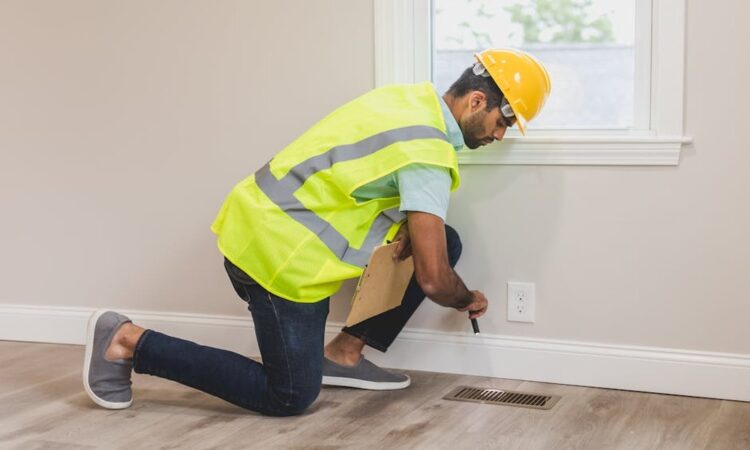
For homeowners in areas like Strongsville, regular professional electrical audits can help identify these hidden dangers before they become critical. An electrician can inspect wiring, check for proper grounding, assess circuit loads, and ensure that all components are up to code. Addressing these issues promptly not only prevents potential electrical fires and shocks but also safeguards your indoor air quality from the hidden pollutants that faulty electrical systems can generate.
Frequently Asked Questions about Indoor Air Quality and Electrical Safety
As we navigate the complexities of maintaining a healthy and safe home, several questions frequently arise regarding the interplay between indoor air quality and electrical systems. Here, we address some of the most common concerns.
How do space heaters affect indoor air quality?
Space heaters, while effective at localized heating, can impact indoor air quality in several ways. Electric space heaters can burn dust particles that have settled on their heating elements, releasing unpleasant odors and fine particulate matter into the air, which can irritate respiratory passages. If the air in your home is already dry, electric heaters can further reduce humidity levels, leading to dry skin, irritated sinuses, and increased susceptibility to colds and flu. Combustion-based space heaters (e.g., kerosene or propane) are particularly dangerous as they consume oxygen and can emit harmful pollutants like carbon monoxide (CO), nitrogen dioxide, and particulate matter, posing severe health risks including CO poisoning. Ensuring adequate ventilation and proper maintenance is crucial when using any type of space heater.
What are the signs of an electrical overload that could harm IAQ?
Signs of an electrical overload are critical indicators of potential danger that can indirectly affect indoor air quality. These include:
- Flickering or Dimming Lights: Especially when high-power appliances are in use, this suggests circuits are struggling to meet demand.
- Warm Outlets, Switch Plates, or Cords: Heat is a sign of excessive current or resistance, which can lead to melting components.
- Burning Smells: A distinct odor, often described as fishy or like burning plastic, indicates melting wire insulation, releasing toxic fumes into the air.
- Frequent Breaker Trips: Circuit breakers are designed to trip when overloaded. If this happens often, it’s a clear sign your electrical system is stressed.
- Buzzing or Crackling Sounds: Coming from outlets or switches, this can indicate loose wiring or arcing.
- Slight Shocks from Appliances: This points to grounding issues.
Any of these signs warrant immediate attention from a qualified electrician, as they can lead to electrical fires, which would release significant amounts of smoke and other hazardous byproducts into your home’s air.
Why is humidity control important for electrical safety?
Humidity control plays a surprisingly significant role in electrical safety. Extremely dry indoor air (low humidity) can lead to an increase in static electricity. While usually harmless, static discharge can damage sensitive electronic components over time, potentially leading to malfunctions or even short circuits. On the other hand, excessively high indoor humidity creates an environment conducive to mold and mildew growth, which are IAQ concerns. More directly, high humidity can also lead to condensation on electrical components, increasing the risk of corrosion, short circuits, and electrical failures. Maintaining indoor humidity levels within the ideal range of 30-50% is crucial for both electrical safety and optimal indoor air quality. Whole-home humidifiers, when properly installed and maintained, can help achieve this balance, protecting your electronics and preventing moisture-related electrical issues.
Conclusion
The journey to creating a truly safe and healthy home environment is a continuous one, deeply intertwined with both indoor air quality and electrical safety. As we’ve explored, from the efficient operation of our HVAC systems to the safe use of everyday electrical appliances, these two critical aspects are inseparable. In April 2026, with increasing awareness of environmental health, a holistic approach to home care is more important than ever.
We’ve seen how electrical systems power the very mechanisms that clean and condition our indoor air, and conversely, how electrical malfunctions can introduce harmful pollutants or create fire hazards. From the risks associated with space heaters and power strips in winter to the vital role of professional HVAC maintenance and safe generator use during outages, vigilance is key. Recognizing warning signs like flickering lights or burning smells can be the difference between a minor repair and a major safety incident that compromises your home’s air quality.
Achieving optimal indoor air quality and robust electrical safety requires a proactive stance. Regular maintenance of your HVAC system, including air duct cleaning and filter changes, coupled with professional electrical inspections, forms the bedrock of a healthy home. By integrating energy-efficient solutions and staying informed about best practices, homeowners in Ohio and beyond can ensure their living spaces are not just comfortable, but genuinely safe and conducive to long-term health. Prioritizing these interconnected elements is an investment in the well-being of our families and the longevity of our homes.