Adding a traditional Finnish sauna to your home is a great way to raise your property value and help your daily health routine. A Finnish sauna is different from infrared types. It uses high heat and steam, called löyly, made by putting water on hot stones. You need special materials for this. A lot of heat and moisture will be there, so you must plan well before you start this update.
Before you pick a certain model or hire someone to build, it is good to learn more about finnish saunas. Their design is not the same as an everyday bathroom makeover. A real Finnish sauna runs between 160°F and 200°F (70°C to 95°C). It needs strong insulation, good vapor barriers, and the right airflow. These features enable its operation without danger and ensure low energy consumption. Knowing these basics in advance will allow you to understand where you can set up your sauna, how to provide electricity to it, and which items will last long.
Indoor vs. Outdoor Placement
The first big decision is whether to build the sauna indoors or outdoors.
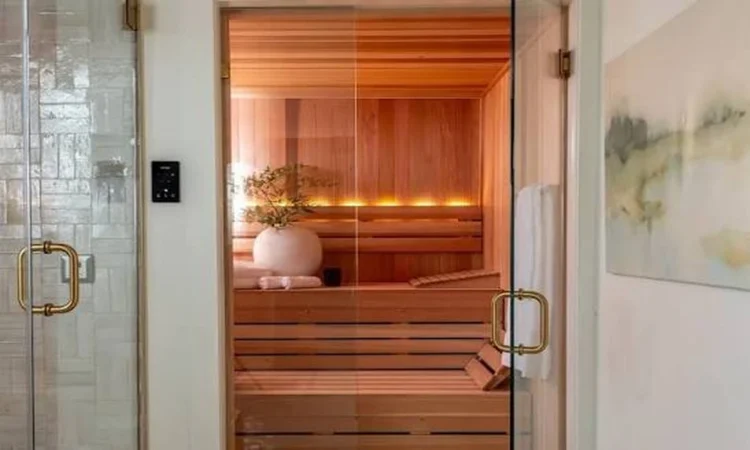
- Indoor Saunas: Indoor saunas can be placed in the basement, extra bathroom, or home gym. The majority of pre-fabricated kits are easy to assemble and can be put together in several hours. It is possible to install them on tiles, concrete, and PVC. However, make sure that the ceiling is high enough (approximately 7 feet) and the air circulation is sufficient in the room so that it does not trap moisture in the air.
- Outdoor Saunas: Barrel and stand-alone cabin saunas can convert your backyard into a personal oasis. They need no room inside and have easy access to cooling off outside. However, you must make sure that the surface is flat enough, such as gravel, pavers, or concrete, for installation. The roof must be solid enough so that it can withstand the elements.
Choosing the Right Heater
The heater is the heart of any conventional sauna, and your choice of the heater will determine the overall experience and the installation features.
- Electric Heaters: The most common option among homeowners. They are easy to use and hold a stable temperature. The majority of electric heating units require a 240-volt electrical line. You need to order services of a good electrician for that.
- Wood-Burning Stoves: They provide an authentic atmosphere and sound of fire. This option allows you to use a sauna while you are off the grid. Do not forget to install a safe flue and abide by local safety regulations.
Wood Selection and Craftsmanship
Not every type of lumber can withstand wide temperature fluctuations without buckling, splintering, or becoming unbearably hot. Traditional Finnish saunas are made from softwoods. Softwoods usually do not have much resin and are poor heat conductors. The best examples include Western Red Cedar, Nordic Spruce, Hemlock, and Aspen. The most distinctive feature of Cedar is its general durability and pleasant aroma. Aspen and Hemlock are exceptionally smooth, thus being comfortable for bare skin.
Ventilation and Drainage
Proper ventilation is crucial for safety and comfort when using a sauna. A good sauna must have at least one air vent located on the wall close to the hot stove. The other vent should be located on the opposite wall as high as possible. This enables effective air circulation while keeping the air fresh.
In addition, if you intend to pour large amounts of water over the stones or shower run-off for cleaning purposes, consider installing a floor drain. Floor drains are beneficial for custom indoor saunas, as they make the cleaning easy and quick.
Upon completing your budget, check out the ready-made sauna kits. For comparison, you can also analyze custom woodworking. Take time to search for good suppliers. Be sure to learn more about finnish saunas history to choose the best type of sauna for your house, size, and lifestyle.
Conclusion
Incorporating Finnish bathing practices in your home is not only useful but also makes your daily routine less stressful. Upon considering several factors like choosing the right location for the sauna, the type of heater to be used, the type of wood used, and possibly airflow in the sauna, you ensure that your sauna will be safe and function properly for many years.