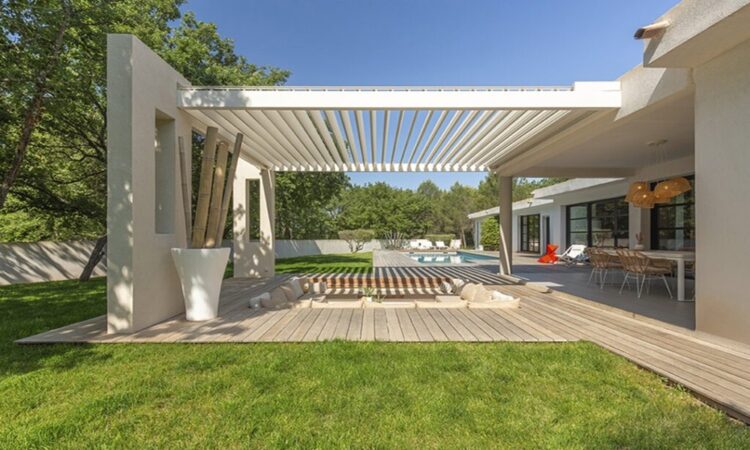
An awning contractor Singapore homeowners and businesses engage brings together the technical knowledge of structural design, the regulatory knowledge of compliance requirements, and the craft knowledge of materials and installation that produce a shade and shelter solution built to last. Singapore’s climate creates a demanding environment for outdoor structures: intense UV radiation degrades materials that perform well in temperate climates, humidity accelerates corrosion, and sudden storms test the structural integrity of anything attached to a building.
What to Expect from a Professional Awning Contractor
A professional contractor does not simply supply and install materials. They assess the site, evaluate the structural capacity of the attachment points, consider drainage requirements, check compliance with HDB, MCST or building authority requirements as applicable, and design a solution that is matched to the specific conditions of the location.
Site assessment includes understanding which direction the sun comes from during the hours the space will be used, which way the wind typically comes during storms, what loads the existing structure can support, and whether there are any drainage constraints that affect the awning design. This assessment shapes every subsequent decision, from the slope of the roof to the location of downpipes.
Compliance with Singapore’s regulatory requirements for exterior structures is not optional. HDB residents need HDB approval for any awning that affects the external facade or projects beyond the flat’s boundary. Condominium residents need MCST approval under the strata scheme rules. A contractor who installs an awning without helping you navigate these approvals leaves you exposed to enforcement notices and potential removal orders.
How to Evaluate an Awning Contractor
The quality of an awning contractor Singapore business varies significantly, and the lowest-cost option is frequently not the best outcome over a three to five year timeframe.
Ask for examples of completed installations in your property type. A contractor experienced with HDB void deck canopies may have limited experience with private terrace awnings at a landed property, and vice versa. The structural requirements, aesthetic expectations and approval processes are different enough that relevant experience matters.
Request references from recent clients. A contractor confident in their work quality will provide these readily. Call the references and ask specifically about how long the installation has held up, whether there were any warranty claims needed, and how the contractor responded to any post-installation issues.
Review the quotation in detail. A comprehensive quotation specifies the frame material and specification, the covering material including thickness and UV protection grade, the fastener material, the warranty coverage for both workmanship and materials, and which party is responsible for regulatory submissions.
“Quality in construction is visible from outside years later. A well-built structure ages gracefully.” – Lee Hsien Loong, Prime Minister of Singapore.
Types of Awning Solutions Contractors Offer
A specialist awning contractor in Singapore offers a range of product types suited to different applications.
Fixed frame awnings with polycarbonate or glass panels are the most common residential choice for rain protection combined with light transmission. The fixed structure requires no ongoing adjustment and handles Singapore’s wind conditions reliably when properly designed and installed.
Retractable awnings using motorised or manual cassette mechanisms allow the cover to extend when shade is needed and retract when not in use. These are appropriate for spaces where full rain protection is not required, where the aesthetic of an open space without an awning is preferred on clear days, or where the view when the awning is retracted adds value.
Roller blinds and screen systems attached to an awning frame create adjustable privacy and wind protection on the sides of a covered space. These are common additions to alfresco dining areas and covered terraces that face a road or neighbouring property.
Pergola systems with roof louvres, which rotate to be fully open, partially open, or closed, are the premium category combining full weather protection capability with the aesthetic and ventilation of an open roof. These require a more substantial structural framework and a larger investment.
Managing the Project
Once a design is agreed, a professional shade contractor Singapore manages the project through approval, fabrication and installation. The sequence typically runs: design agreement, approval submission, fabrication period of two to six weeks depending on the product type, installation over one to three days for most residential projects, and a final inspection.
Ensure the installation includes testing of any motorised components, adjustment of any moving parts, and a walkthrough to confirm drainage is working as designed. Request the warranty document in writing at completion, specifying what is covered, for how long, and what the claims process is.
An awning contractor Singapore property owners can trust combines technical competence, regulatory knowledge, quality materials and a commitment to the installation performing as designed for the full warranty period and beyond.