Key Takeaways
- Liquid membranes spread across uneven surfaces, forming a seamless layer that reduces gaps and keeps water out.
- Sheet membranes deliver consistent thickness across large areas, helping maintain even coverage with fewer weak points.
- Cementitious coatings bond well with concrete, making them suitable for basements, tanks, and internal wet areas.
- Bituminous membranes handle outdoor exposure and surface movement, keeping roofs sealed through daily changes.
Introduction
Leaks rarely show up out of nowhere. Small gaps, weak joints, and uneven surfaces quietly let water in, and that is where membrane waterproofing earns its keep. You will see it across homes and commercial spaces, quietly doing the job without drawing attention. Different types behave in different ways, so picking one is less about preference and more about how the surface reacts to moisture, pressure, and movement. Get the pairing right, and you avoid repeat fixes that feel like déjà vu.
Liquid-Applied Membranes
Smooth Coverage Across Irregular Surfaces
Uneven corners and rough edges tend to cause headaches during installation. Liquid systems sidestep that problem by flowing into place and settling across the surface. Minor imperfections get covered without constant adjustments when working with construction materials in Singapore. A continuous layer forms with minimal joins, which reduces spots where water might sneak through later.
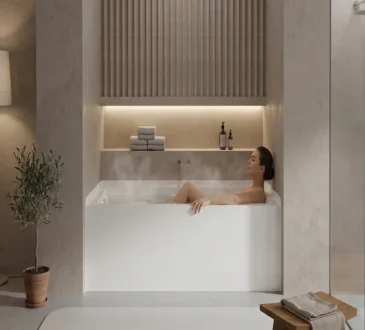
Ideal for Bathrooms and Balconies
Daily splashes and damp conditions call for something that can keep up without cracking under pressure. Once cured, liquid membranes seal tightly while still tolerating slight surface shifts. Small movements from regular use do not disrupt the layer, so everything stays sealed without fuss. Think of it as a flexible coat that moves along without peeling away.
Sheet Membranes
Pre-Formed Layers for Consistency
Uniform thickness can make a big difference when reliability matters. Sheet membranes arrive ready-made, so coverage stays even across the entire surface. This setup works well in membrane waterproofing when control and precision take priority. Installation depends on careful placement, similar to lining up tiles where each section needs to sit exactly where it should.
Strong Fit for Large Open Areas
Wide surfaces call for a method that keeps things straightforward. Sheets roll out across large sections without needing multiple coats, which keeps installation efficient when done correctly. Flat builds using construction materials in Singapore benefit from this method where movement stays predictable. Fewer seams mean fewer interruptions in the barrier, which keeps the system working quietly in the background.
Cementitious Waterproofing
Works Well with Concrete Surfaces
Concrete and cement-based coatings naturally get along, which makes this type easy to apply on tanks, basements, and pools. The material bonds directly to the surface, forming a solid layer that handles constant moisture exposure. Areas that rely on membrane waterproofing in stable structures tend to use this option without needing flexibility.
Reliable for Internal Wet Areas
Wet zones inside a property need something dependable without adding complexity. Cementitious coatings go on in a familiar way and pair easily with tiles or screed. Workflows stay simple when paired with construction materials in Singapore, keeping installation predictable. Once applied, the surface stays sealed without requiring constant attention, which helps keep maintenance straightforward.
Bituminous Membranes
Built for Roof Protection
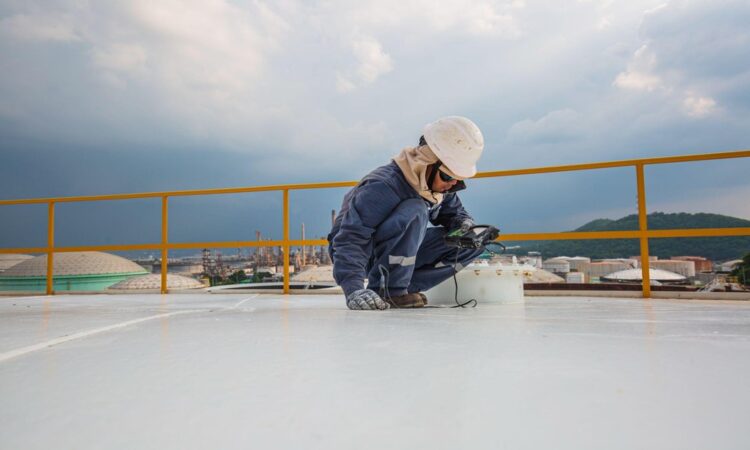
Outdoor surfaces deal with changing weather throughout the day. Bituminous membranes handle that exposure by forming a durable barrier that resists rain and heat. Roof systems that rely on membrane waterproofing use this type to maintain protection over time. The layer works quietly, shielding what sits underneath without needing regular touch-ups.
Handles Movement with Flexibility
Temperature shifts cause expansion and contraction, and rigid layers tend to struggle in those conditions. Bituminous systems move along with the surface, which helps prevent cracking or lifting. Installation takes a bit more care due to heat application or adhesives, yet once set, the membrane stays in place and continues doing its job without drawing attention.
Conclusion
Each membrane type fits a specific role, and the right choice depends on how the surface behaves day to day. Liquid systems handle tricky shapes, sheets suit wide areas, cementitious coatings pair well with concrete, and bituminous layers sit comfortably outdoors. Matching the system to the setting keeps things simple and avoids repeated repairs.
Contact Ardex-Quicseal now to explore practical membrane solutions that fit your project and keep your spaces protected without unnecessary guesswork.