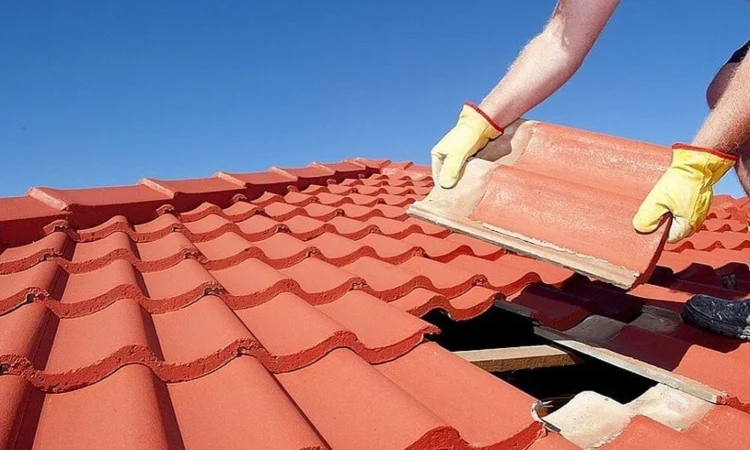
A tiled roof can last for decades, but not every tile, batten and fixing ages at the same rate. When problems appear, homeowners face a choice between replacing a few tiles, replacing whole sections or re-tiling the entire roof. The right answer depends on the condition of the tiles, the underlay and timbers beneath, and the availability of matching materials. Working with an experienced tile roofing contractor helps you make that call on the basis of evidence rather than guesswork, and avoids replacing far more, or far less, than the roof actually needs.
Common Types of Roof Tiles
Tiled roofs in Singapore typically use clay or concrete tiles, with some homes using slate or composite products. Clay tiles are durable and keep their colour well, though they can become brittle with age. Concrete tiles are heavier and more affordable, but their surface can wear, becoming porous and prone to moss and algae. Each material has different lifespans, weights and replacement considerations, so knowing what is on your roof is the first step in any decision.
Signs That Tiles Need Replacing
Individual tiles fail for many reasons, including impact, age and movement. Signs to look for include:
- Cracked, chipped or broken tiles
- Tiles that have slipped out of position
- Surfaces that have become porous, flaky or heavily stained
- Moss and algae growth that holds moisture
- Leaks or damp patches in the ceiling below
A few damaged tiles can usually be replaced individually, while widespread wear suggests a larger problem.
Repair or Full Replacement
When only a small number of tiles are damaged and the rest of the roof is sound, replacing those tiles is the sensible option. However, if many tiles are porous or brittle, if leaks occur in several places or if repairs are becoming frequent, a full re-tile may be more economical in the long run. A thorough inspection should assess the general condition of the tiles, not just the visible damage, before a recommendation is made.
What Lies Beneath the Tiles
Tiles are only the outer layer. Underneath, battens hold the tiles in place and underlay provides a secondary barrier against water. Over time, underlay can tear, sag or degrade, and battens can rot if water has been getting in. When replacing tiles, a good tile roofing contractor will check these layers. If they are damaged, replacing tiles alone will not solve the problem, and the roof may need stripping back so underlay and battens can be renewed.
Matching Tiles and Appearance
Matching new tiles to an existing roof can be difficult, particularly on older homes. Tile profiles and colours change over time, and some products are discontinued. Weathering also alters the appearance of older tiles, making new ones stand out. Options include sourcing reclaimed tiles, using new tiles on less visible sections and moving original tiles to the front or replacing whole roof slopes to keep a consistent look. Discuss these options before work begins.
Weight and Structural Considerations
Changing tile type can affect the load on the roof structure. Concrete tiles are heavier than many clay tiles, and lighter alternatives such as metal or composite tiles may be considered for some homes. Any change in material should be assessed to ensure the roof structure can carry the load. A contractor should be able to explain whether reinforcement is needed and whether approvals apply for the type of work and building.
Ridges, Valleys and Flashings
Many tiled roof leaks come not from the tiles themselves but from the ridges, valleys and flashings. Ridge tiles may be bedded in mortar that cracks over time, while valleys collect debris and channel large volumes of water. Flashings at walls and chimneys can deteriorate. Before replacing tiles, check these areas carefully. Re-bedding or mechanically fixing ridge tiles and renewing valley linings can be just as important as replacing damaged tiles.
Planning the Work
Tile replacement involves working at height and often requires scaffolding, particularly for larger jobs. Plan for:
- Access for scaffolding and materials
- Protection of gardens, driveways and windows
- Weather, since rain can delay work or expose the roof
- Temporary covers if the roof is opened for several days
- Disposal of old tiles and debris
Good planning reduces disruption and helps the project finish on schedule.
Warranties and Workmanship
Ask about warranties on both materials and workmanship. Tile manufacturers often provide product warranties, while contractors should guarantee their installation. Request a written scope of work describing which tiles, underlay and battens will be replaced, how ridges and valleys will be treated and how the site will be left. Clear documentation helps resolve any issues that arise later.
Choosing a Contractor
Look for contractors with experience in tiled roofs similar to yours, proper safety practices and insurance. Ask for references and photographs of completed projects. A firm offering professional roof tile replacement should explain clearly whether your roof needs repairs, partial replacement or a full re-tile, and why.
Keep Some Spare Tiles
When new tiles are installed, ask the contractor to leave a few spares. Matching tiles years later can be difficult, and having spares on hand makes future repairs quicker and more consistent.