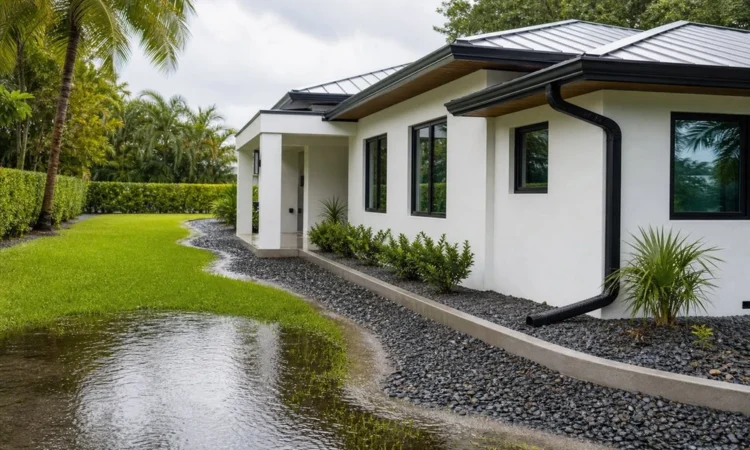
Hurricane-resistant home exterior
The approach to remodeling Miami homes before hurricane season can be the difference between avoiding disaster and starting from scratch. Minor inconveniences – a ceiling that’s stained, a balcony door that sticks, water pooling around a patio after a heavy downpour – don’t feel like a big deal until they are driven by wind and rain.
If you own a condo or a single-family home, start your pre-hurricane season remodeling plan with the exterior and work your way inwards. Your Miami remodeling contractor should help you determine which areas of the exterior are most likely to be affected by water, wind, humidity and power outages.
Trace Leaks Before Repairing Interior Damage
Water doesn’t always come through the home in the same place it makes its appearance. A stain on the ceiling in the hallway may have its origin in bad flashing, a hole in the roof or a poorly sealed exterior vent. You should find out what caused the water to enter your home before you begin interior repair work.
Look at the roofline and details nearby, such as:
- Flashing at vents, skylights, chimneys and walls
- Soffits and fascia that are loose
- Cracks in the stucco or siding
- Clogged gutters and downspouts that are dumping water too close to the foundation
- Openings for cables, piping and machinery
You don’t need to address all of these if a recent inspection has confirmed that the roof is fine and the exterior walls are sealed. However, if you see a recurring stain or smell a musty odor, hold off on any cosmetic work until you correct the problem in the exterior.
Secure Openings and Redirect Water
Before summer sets in, focus on windows and exterior doors. Older windows and doors can leak around the frame even though the glass is in perfect condition. A sliding door that sticks will become increasingly frustrating during the hot months, as dirt builds up in the track and the drainage becomes blocked.
Replacing a brickell condo balcony door, for instance, isn’t just about finding an impact-rated door. The opening needs to be sized correctly, the association may require approval for the work and the installation needs to maintain the proper flashing and drainage at the bottom of the opening.
You’ll need to ensure you have the necessary permits and documentation to show that you’ve used approved products. Don’t expect to be able to order and install an impact-rated door right away; learn about the regulations first.
Move Water Away From the House
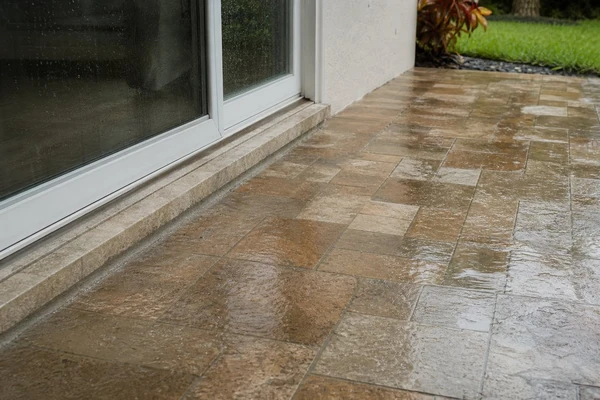
Patio drainage and exterior paving
Water running down toward your house on a patio will cause problems long before the worst of a storm. Fixing a coral gables patio so that water runs in the proper direction, repositioning pavers or installing an appropriately positioned drain can help avoid water seepage into doors and walls.
The work might not seem very exciting, but it protects larger investments in remodeling. Your contractor should check how water is flowing from the roof, whether drains are working properly and whether new landscaping or hardscaping is causing the water to pool near the house. Even minor changes to the grade of the ground near a door could make a significant difference in a heavy rain.
Prioritize Humidity Control and Essential Work
After the envelope of the house is repaired, begin work in the interior. As explained in this source, kitchens, bathrooms, laundry rooms and areas under sinks are most likely to have problems with high humidity. Just because something looks good in a showroom doesn’t mean it will last in an area where condensation is common.
Cabinets that resist moisture, waterproof flooring, good grouting and efficient exhaust fans are all important features. In a bathroom renovation, ensure the fan is large enough for the size of the room and that it exhausts outside. A bathroom fan shouldn’t just be blowing moisture into other areas of the house.
A small leak under a sink can quickly destroy the particleboard cabinets.
Organize Work Around Risk and Schedules
A pre-hurricane season remodeling project should be organized by priority – more on remodeling contractor Miami from the team at Gaven Constructions if you want that route. Look at where leaks are coming from, where the water is being drained, whether doors and windows need to be replaced and whether the exterior seal is adequate. These should be addressed before you invest in paint, flooring or custom cabinets. If you want to install a backup power system – the CDC explains the why of it at cdc.gov/carbon-monoxide, factor in space for the equipment, components, ventilation and maintenance access.
A condo renovation may take more time, since you need to get approval from the association, reserve the elevator, plan around work hours and arrange for materials delivery. Single-family home renovations may happen more quickly, but you still need to allow for inspections and weather delays.
Act Before the Forecast Changes
A good remodeling plan doesn’t have to revamp the entire house before the storm hits. Rather, it should minimize the areas where rain, wind and humidity can get in and linger.
The next time there is a heavy rain, walk around your property and note everywhere the water collects, drips, leaves a stain or stays for too long.