Bacteria build up fast on unwashed upholstery because fabric supplies food, moisture, and warmth together. Skin flakes, food traces, and body oils land on seating daily. Humidity and body heat keep fibre conditions inside the growth range. Colonies double within hours once conditions align. Vacuuming removes loose debris while leaving the bonded food layer. Growth, therefore, continues between every surface-level clean. Hygiene explanations on brisbaneupholsterycleaning.com.au describe upholstery as a stable microbial habitat. Woven fibre shelters colonies from light and disturbance. Cushion depth holds warmth long after people leave. Moisture from the air and skin renews itself daily. Each factor alone supports growth, and seating combines all three. Buildup speed follows directly from that combination.
Fabric feeds colonies constantly
Every sitting session deposits fresh nutrients into the weave. Skin sheds flakes continuously wherever bodies rest. Food crumbs and drink traces add sugars and proteins. Pet contact contributes dander and outdoor bacteria together. Oils bind the whole deposit onto the fibre, where wiping cannot lift it. Colonies feed steadily because the supply never pauses. Nutrient loads concentrate exactly where contact runs longest. Seat centres, armrests, and headrests carry the richest layers. Growth maps follow usage maps across every piece. Guest chairs stay cleaner than daily seating for this reason. Television seating carries the heaviest household loads of all. Feeding continues day and night once deposits settle inside the weave.
Warmth and moisture stay trapped
Upholstery holds temperature and humidity inside the comfort range for microbes. Body heat soaks into cushions across every use. Foam cores release that warmth slowly through the night. Humid air adds moisture that dense fabric retains. Skin contact tops the moisture up daily. Conditions inside the cushion barely swing between day and night. Stable conditions remove the checks that slow growth elsewhere. Hard surfaces dry fast and cool quickly after contact. Fibre depth does neither, so colonies grow uninterrupted. Humid seasons push internal conditions further toward the ideal. Growth accelerates exactly when households run fans instead of cleaning. Wet-weather weeks compound the moisture supply again.
Surface cleaning misses the reservoir
Home methods reach loose material while bonded layers remain. Vacuum airflow lifts crumbs and surface dust only. Wiping spreads oils wider instead of removing them. Fabric sprays mask odour while feeding continues underneath. Colonies inside the cushion depth never meet any home treatment. Reservoirs, therefore, survive every routine cleaning intact. Odour works as the household signal of colony scale. Stale smells mean populations are already established deep. Smell after humid days confirms an active internal reservoir. Masking products delay the response while growth continues. Signal recognition moves households toward removal at the right time.
Extraction empties the habitat
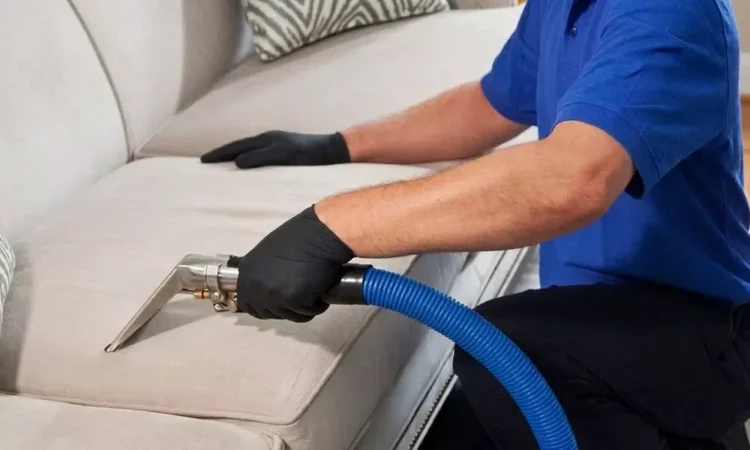
Heated extraction changes the outcome by removing the food layer itself. High temperature releases bonded oils from the fibre. Strong vacuum lift pulls dissolved deposits from full depth. Sanitising passes reduce remaining colonies directly. Regrowth slows sharply because the habitat empties. Cleaned fabric stays lower-count until deposits rebuild across months. Cleaning intervals, then decide the standing population level. Regular extraction keeps counts low permanently. Long gaps let colonies rebuild toward their previous scale. Household load sets the right interval per home. Families, pets, and daily use all shorten it.
Constant food, trapped warmth, and held moisture explain the buildup speed together. Surface habits leave all three factors untouched between deep cleans. Extraction on regular intervals empties the habitat before counts climb. Households cleaning on schedule keeps seating hygienic rather than merely tidy.