Key Takeaways
- Small pest issues escalate due to common thinking shortcuts and delayed action.
- Effective pest control services rely on identifying root causes, not just visible signs.
- Ant infestations require targeted strategies rather than general treatments.
- Recognising cognitive mistakes helps homeowners make better pest management decisions.
Introduction
Most people notice pests only when they become impossible to ignore. At that point, the instinct is to act quickly, using readily available solutions. Yet, despite these efforts, infestations tend to return. Cognitive shortcuts can lead to ineffective choices. When it comes to pest control services and especially ant pest control, these shortcuts often result in temporary fixes rather than lasting solutions.
The Illusion of “It’s Just a Few Ants”
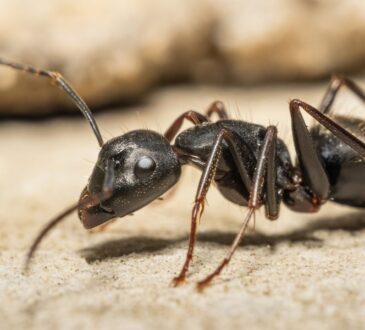
Seeing a handful of ants may seem insignificant, leading many to believe that simple cleaning or over-the-counter sprays will suffice. Visible ants are often part of a larger colony that can number in the thousands. The ones you see are typically foragers searching for food, while the nest remains hidden. By the time the infestation becomes more visible, the colony may already be well established. Professional ant pest control focuses on tracing these activity patterns back to the source, ensuring that the root of the problem is addressed.
The DIY First Bias and Its Limitations
While DIY methods can appear convenient and cost-effective, they often fail to provide lasting results. However, pest control involves more than surface-level treatment. Effective pest control services require a combination of inspection, targeted treatment, and preventive measures. DIY sprays may kill visible ants, but they can even worsen the problem by causing ants to scatter and establish multiple nests. Recognising the limits of DIY approaches allows for more informed decisions, particularly when dealing with persistent infestations.
Mistaking Cleanliness for Control
Many people assume that a clean home is enough to prevent pests. Ants are attracted to visible food, microscopic residues and moisture sources. Even well-maintained spaces can provide the conditions needed for infestations. This creates a false sense of security, leading individuals to overlook early warning signs. Professional ant pest control strategies take a broader view, examining structural factors such as entry points, cracks, and hidden nesting areas.
Reacting Only When the Problem Reappears
People often take action only after pests return, rather than maintaining consistent preventive measures. This pattern prioritises immediate experiences over long-term planning. In pest control, this results in repeated cycles of infestation and treatment. Engaging pest control services for regular inspections and maintenance can break this cycle, providing ongoing protection rather than reactive solutions.
Believing What Seems to Work
If a particular method appears to reduce ant activity temporarily, it is easy to assume it has solved the problem. This belief can prevent further action, even when underlying issues remain. Effective ant pest control requires monitoring and follow-up. What seems effective in the short term may not address the colony. Recognising this bias encourages a more thorough approach.
Treating All Pests the Same Way
Not all pests behave in the same way, yet many people apply a single method to multiple infestations. Ants, in particular, require specific strategies based on their species and nesting habits. Professional pest control services differentiate pest types and tailor treatments accordingly. This targeted approach improves effectiveness and reduces the likelihood of recurrence.
Why Professional Pest Control Services Offer a Strategic Advantage
Engaging professional pest control services introduces a structured approach that goes beyond immediate treatment. This includes detailed inspections, identification of pest species, and customised solutions. Integrated pest management (IPM) strategies combine methods to achieve long-term control. These may include baiting systems, environmental modifications, and preventive measures. For ant pest control, baiting is particularly effective, as it allows ants to carry the treatment back to the colony.
Building Better Habits for Long-Term Prevention
Regular monitoring, timely intervention, and informed decision-making all contribute to more effective pest management. Simple practices, such as sealing entry points, managing waste properly, and addressing moisture issues, can complement professional treatments. When combined with expert support, these measures create a more resilient defence against pests. Understanding how ants behave also plays a role. Observing movement patterns and identifying potential nesting areas can provide valuable insights, making it easier to respond effectively.
Conclusion
Pest problems often stem from the way decisions are made. Cognitive shortcuts, while helpful in everyday situations, can lead to ineffective approaches when dealing with infestations. By recognising these patterns, individuals can make more informed choices, whether that involves seeking professional pest control services or adopting targeted ant pest control strategies. The key lies in shifting from quick fixes to thoughtful solutions. When pest control is approached with clarity and understanding, it becomes less about reacting to problems and more about preventing them altogether.
Noticing recurring ant trails or persistent pest issues? Talk to Ecospace Pest Management and take a closer look at what might be causing them today.