Pest management in Malaysia is a specialised area of property and environmental maintenance driven by the country’s tropical climate and expanding urban density. General pest control involves the systematic identification, monitoring, and elimination of infestations to protect public health, food safety, and building integrity. In the Malaysian context, pest management operates under environmental health regulations, local council requirements, and strict hygiene standards for residential, commercial, and food-related premises.
Understanding the Malaysian Pest Landscape
Malaysia’s pest pressure is shaped by high humidity, consistently warm temperatures (typically 25°C to 33°C), and rapid urban development. These conditions support year-round breeding of pests, particularly species that thrive in close proximity to human activity.
Environmental Drivers of Infestation
Malaysia does not experience a seasonal decline in pest populations. Continuous rainfall, monsoon-driven water accumulation, and construction activity contribute to standing water in drains, vacant land, and building sites, which are ideal conditions for mosquito breeding. High-density housing, commercial shop lots, and shared service corridors allow infestations to spread quickly between neighbouring units if not addressed early.
Core Pest Categories and Management Protocols
Pest control services in Malaysia are typically categorised by pest species and associated health or structural risks. Each category requires a tailored treatment and prevention strategy.
Cockroach and Ant Management in Urban Properties
Cockroaches, especially German and American cockroaches, are among the most common urban pests in Malaysia. They are known carriers of bacteria such as Salmonella and E. coli, posing risks in homes, restaurants, and food storage areas.
- Identification: Signs include egg cases (oothecae), pepper-like droppings, grease marks, and a persistent musty odour.
- Treatment Methods: Modern pest control services rely on gel baiting systems and insect growth regulators (IGRs) rather than widespread chemical spraying. Baits are applied at harbourage points such as cabinet hinges, electrical conduits, and appliance motor housings.
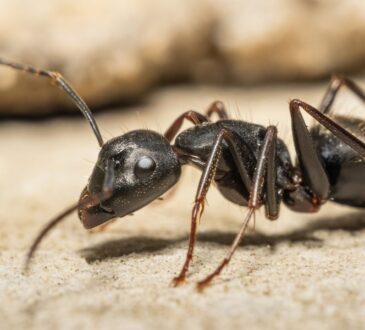
- Ant Control: Common species include Pharaoh ants and Ghost ants. Effective control targets the colony rather than visible workers by using slow-acting liquid or gel baits that are carried back to the nest and queen.
Rodent Activity and Control Measures
Rodents such as the Norway rat and house mouse present serious risks to Malaysian properties. Their gnawing behaviour damages electrical wiring, insulation, and piping, increasing the likelihood of fires and water leaks.
- Control Strategy: Professional services apply Integrated Pest Management (IPM), combining trapping, tamper-resistant bait stations, and environmental sanitation.
- Exclusion Measures: Sealing openings larger than 6 mm, which is approximately the diameter of a pencil, is critical for preventing rodent entry into kitchens, warehouses, and food storage areas.
Subterranean Termite Protection and Inspection
Termites cause extensive structural damage across Malaysia, particularly subterranean species such as Coptotermes gestroi. Damage often remains hidden until it becomes severe.
- Detection Technologies: Pest professionals use moisture metres, thermal imaging, and acoustic or microwave sensors to detect activity behind walls and beneath flooring.
- Treatment Options: Soil termiticide barriers protect building foundations, while baiting systems use cellulose-based baits with insect growth regulators to eliminate colonies at their source.
The Professional Pest Control Process
A compliant pest control service in Malaysia follows a structured and auditable workflow:
- Initial Site Inspection: Identification of pest species, nesting zones, and infestation severity.
- Risk Assessment: Evaluation of environmental and occupant risks, especially in premises with children, elderly occupants, or food handling.
- Targeted Treatment: Application of baits, residual sprays, or misting based on pest biology and site conditions.
- Proofing and Exclusion: Recommendations to seal entry points such as pipe penetrations, floor gaps, and door thresholds.
- Monitoring and Reporting: Service reports document findings and treatments, which are often required for licensed commercial operations.
Property-Specific Pest Control Requirements in Malaysia
Pest management requirements vary by property type and are influenced by local authority regulations and the Food Act 1983.
Residential Pest Control
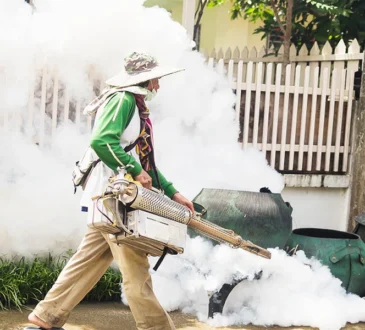
In apartments, condominiums, and landed homes, pest control emphasises perimeter defence. Pests commonly enter through drainage lines, refuse areas, roof voids, and shared plumbing systems. Local councils may conduct routine mosquito fogging in dengue-prone zones, but internal unit protection requires professional treatment.
Commercial and Food Premises
Food and beverage establishments in Malaysia are regulated by local municipal councils and the Ministry of Health (MOH). Pest sightings can result in compound fines, demerit points, or temporary closure.
- Service Contracts: Many councils require F&B outlets to maintain an active pest control contract.
- Documentation: Premises must keep pest control records on-site for inspection by health officers.
Cost Factors and Pricing Structures in Malaysia
Pest control pricing varies based on several operational factors:
|
Factor |
Description |
Impact on Cost |
|
Property Size |
Total treatment area |
High |
|
Pest Type |
Termites and bed bugs require intensive treatment |
High |
|
Infestation Severity |
Determines follow-up frequency |
Moderate |
|
Service Frequency |
One-off vs. monthly or quarterly contracts |
Variable |
Understanding these variables helps property owners budget realistically and avoid under-treatment.
Evaluating and Selecting a Pest Control Provider
When choosing a pest control company in Malaysia, due diligence is essential:
- Licensing: Ensure the company is registered with the relevant local authority and uses approved pesticides.
- Trained Technicians: Operators should be certified and trained in safe chemical handling.
- Chemical Disclosure: Providers should supply Safety Data Sheets (SDS) for all pesticides used.
- Insurance Coverage: Public liability insurance protects against accidental damage during treatment.
Preventive Measures for Long-Term Control
Preventive action reduces long-term costs and infestation risk. Property owners should implement the following sanitation and exclusion measures:
- Moisture Control: Repair leaks promptly, as pests are drawn to damp environments.
- Waste Management: Dispose of rubbish in sealed bags and clean refuse areas regularly.
- Vegetation Management: Maintain at least a one-meter clearance between plants and building walls.
- Entry Point Sealing: Use metal mesh, sealants, or expanding foam around utility penetrations.
Compliance, Safety, and Environmental Considerations
Malaysia’s pest control industry increasingly emphasises reduced chemical reliance and responsible pesticide use.
- Biorational Products: Botanical and targeted pesticides are favored to minimize environmental impact.
- Safety Measures: Temporary vacating of premises may be advised for certain treatments, though bait-based systems often allow occupants to remain on-site.
Frequently Asked Questions (FAQs)
How long does a standard pest control session take?
Residential treatments typically take 45-90 minutes. Larger commercial premises may require several hours.
Is pest control safe for pets and children?
Yes, when performed by licensed professionals using approved products. Treated areas should remain untouched until dry.
How often should pest control be scheduled?
Residential properties benefit from quarterly servicing, while high-risk commercial sites often require monthly visits.
What should be prepared before treatment?
Clear clutter, secure food in airtight containers, and allow access to sinks, cabinets, and service areas.
Can termite problems be handled with DIY solutions?
DIY treatments are generally ineffective for termites and may worsen infestations by causing colony splitting.
Get a Pest Control Quote
General pest control in Malaysia is essential for protecting health, property, and regulatory compliance in a tropical urban environment. Through professional intervention, preventive maintenance, and consistent sanitation, property owners and businesses can effectively manage pest risks while controlling long-term costs. Reach out to the experts in pest control now.